
Enter
To perform a search

| Monday - Saturday | : | 09:00 - 20:00 WIB |
| Sunday | : | 09:00 - 21:00 WIB |


A green home is designed with a clear understanding of its impact on the environment. That is why its design carefully considers the surrounding natural conditions. Besides benefiting the environment, this type of home can also benefit its residents.
Read on to learn more about its benefits.
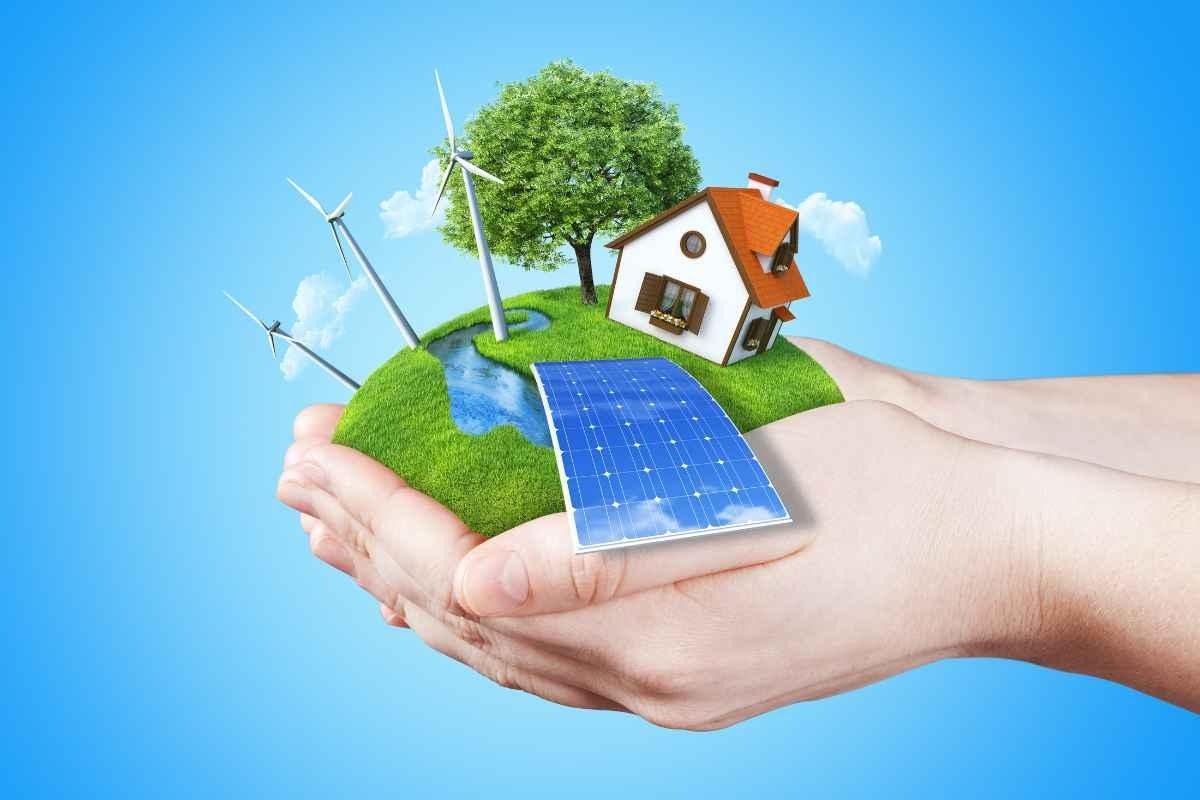
In the context of architecture and the environment, a green home refers to a house designed to use energy and resources more efficiently while reducing its environmental impact.
In short, this type of home generally uses less energy and water and is more environmentally friendly, while still prioritizing residents' comfort.
The term emerged alongside the development of the sustainable building concept, which gained momentum in the late 20th century.
There were two main reasons for this:
Growing awareness that buildings consume large amounts of energy for lighting, cooling, heating, hot water, and various other activities.
The rise of environmental movements during the 1960s and 1970s.
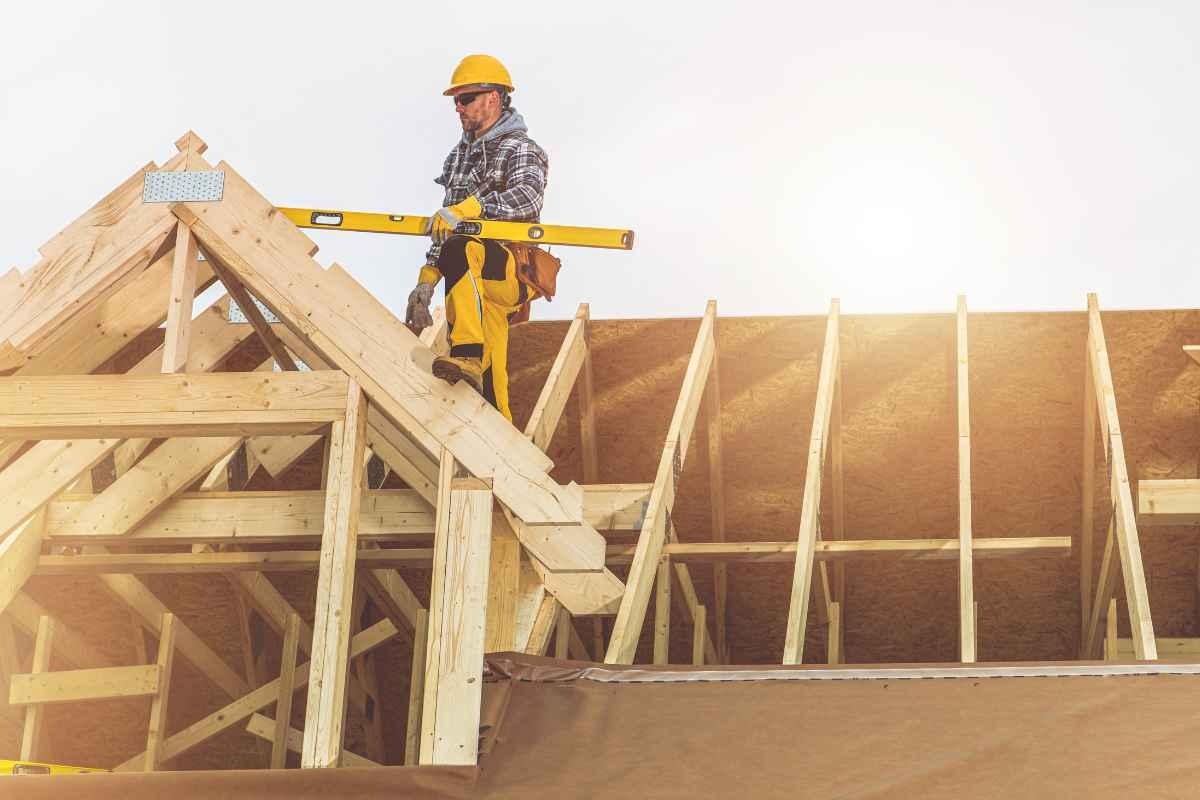
Rather than focusing on how many plants a house has, the following are the key characteristics of a green home.
Green homes aim to minimize the use of artificial energy by making the most of their surrounding environment.
For example, window placement and size are carefully considered to provide sufficient natural light during the day. Cross-ventilation also allows air to flow through the house from one side to the other, potentially reducing reliance on air conditioning.
Water consumption is also carefully managed throughout the home, from the moment water enters the house to when it leaves as wastewater.
Water-efficient sanitary fixtures and low-flow faucets can help reduce water consumption. At a more advanced level, a home can use rainwater for certain purposes, such as watering plants or cleaning outdoor areas.
The final characteristic can be seen in the home's construction process. Material selection takes into account:
Material durability
Maintenance requirements
Material origin
Recycled content
Environmental impact
Durable materials are also an important consideration. The longer a building component lasts, the less frequently it needs to be replaced.
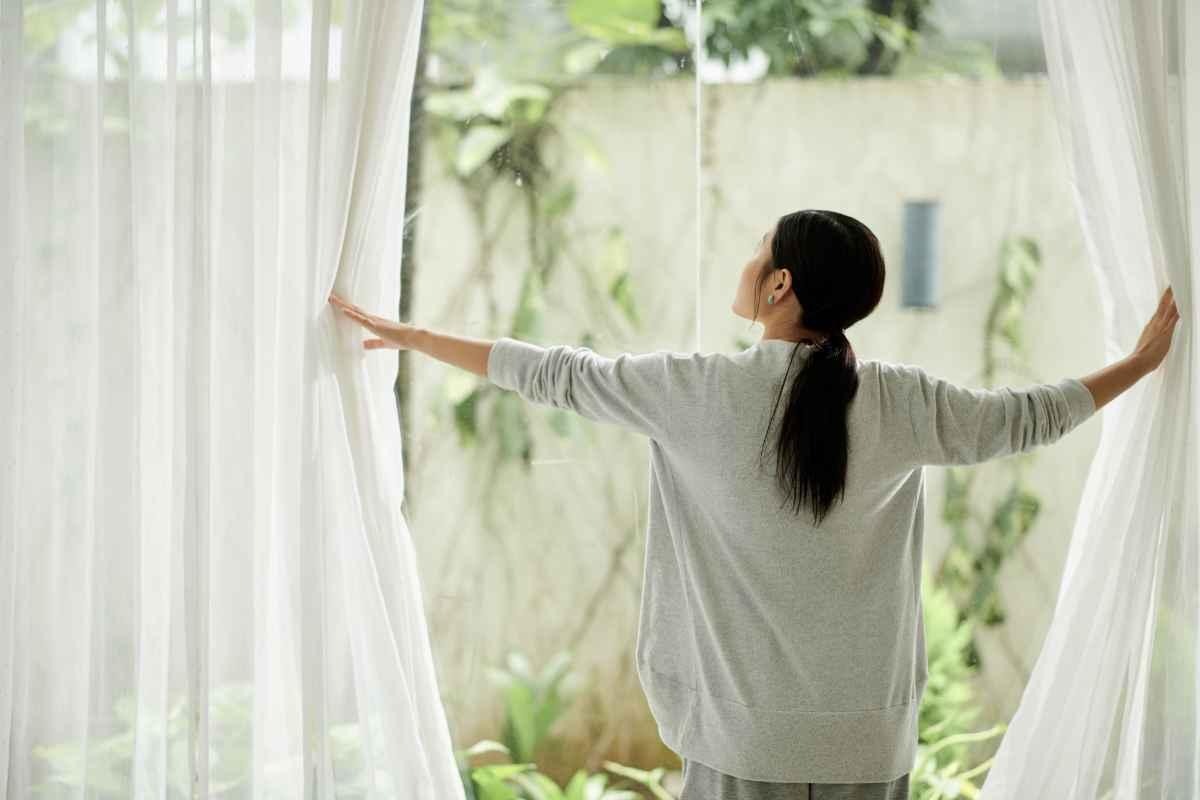
With careful planning, a green home can offer the following four benefits.
Energy and water efficiency can directly affect regular household expenses. Natural lighting, for example, reduces the need for artificial lights during the day. Meanwhile, good ventilation can reduce reliance on air conditioning.
Ultimately, the savings also depend on the home's design and the residents' habits. However, at the very least, the house requires fewer resources to support everyday activities.
Properly designed openings, ventilation, and natural lighting can create a more comfortable living space. The home can also feel brighter during the day without the need to turn on many lights. With good air circulation, rooms are less likely to feel stuffy.
Lower electricity consumption means reduced household energy demand, while water conservation helps ease pressure on water resources.
Choosing more durable materials can also reduce how frequently materials need to be replaced, as well as the amount of waste generated by construction and renovation.
Energy-efficient homes are becoming more appealing to prospective residents and buyers. This is especially true as interest in energy efficiency and green construction continues to grow.
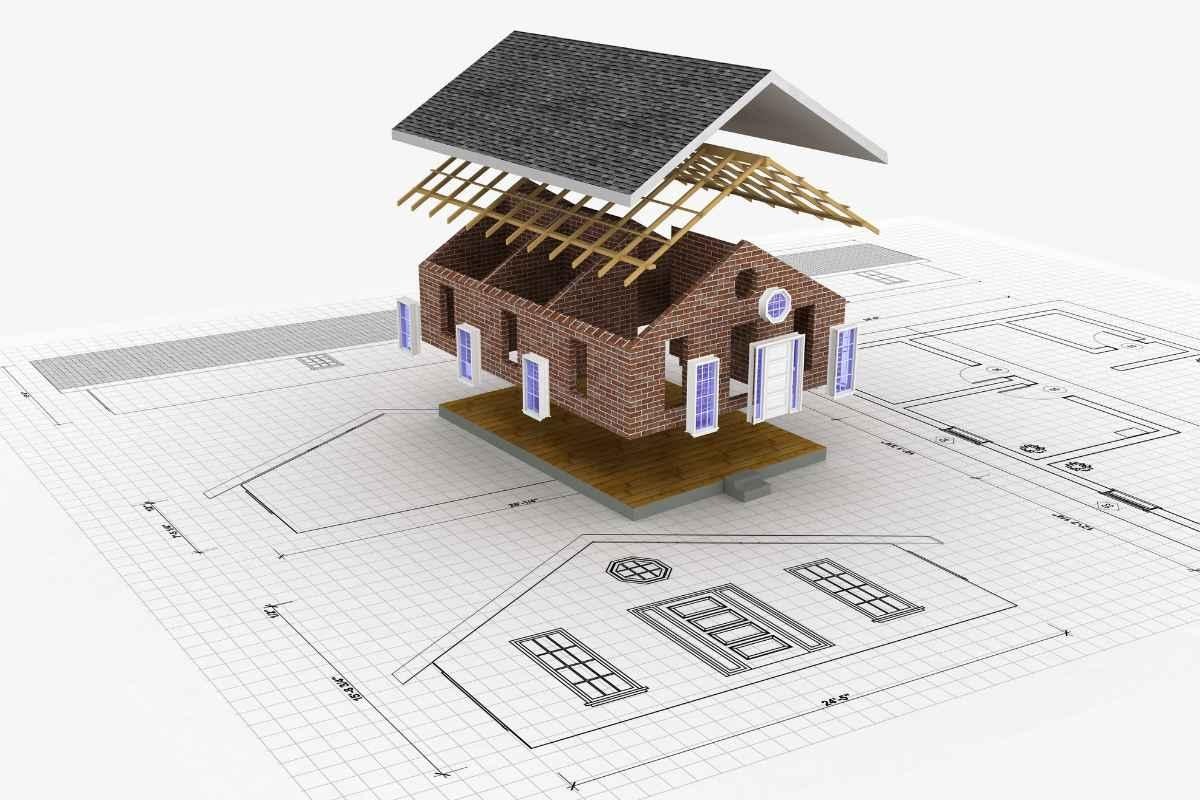
Here are several considerations when building or buying a green home, particularly when its features require a long-term commitment.
Systems such as solar panels, water-efficient sanitary fixtures, and energy management technologies can require considerable installation costs.
Therefore, although these homes have the potential to reduce electricity and water expenses over time, their upfront costs may be higher than those of standard homes.
When designing a green home, architects need to consider many factors simultaneously, including building orientation, the direction of sunlight, wind patterns, materials, and much more. As a result, the benefits described above may not be achieved if the design is not properly planned.
The more comprehensively the green home concept is applied, the more important it becomes to plan carefully from the beginning of construction.
Relying on additional technology does not mean the work is finished once the equipment has been installed. Solar panels still require maintenance, just like other energy-efficient devices.
Neglecting maintenance can reduce system efficiency. In addition, damaged systems may lead to higher repair costs.
The application of the green home concept depends heavily on the surrounding environment. This means it may be beneficial in one area but less suitable in another.
For example, a house in a densely populated urban area may have less optimal natural lighting and air circulation than a house on an open plot of land, making the concept more challenging to implement.
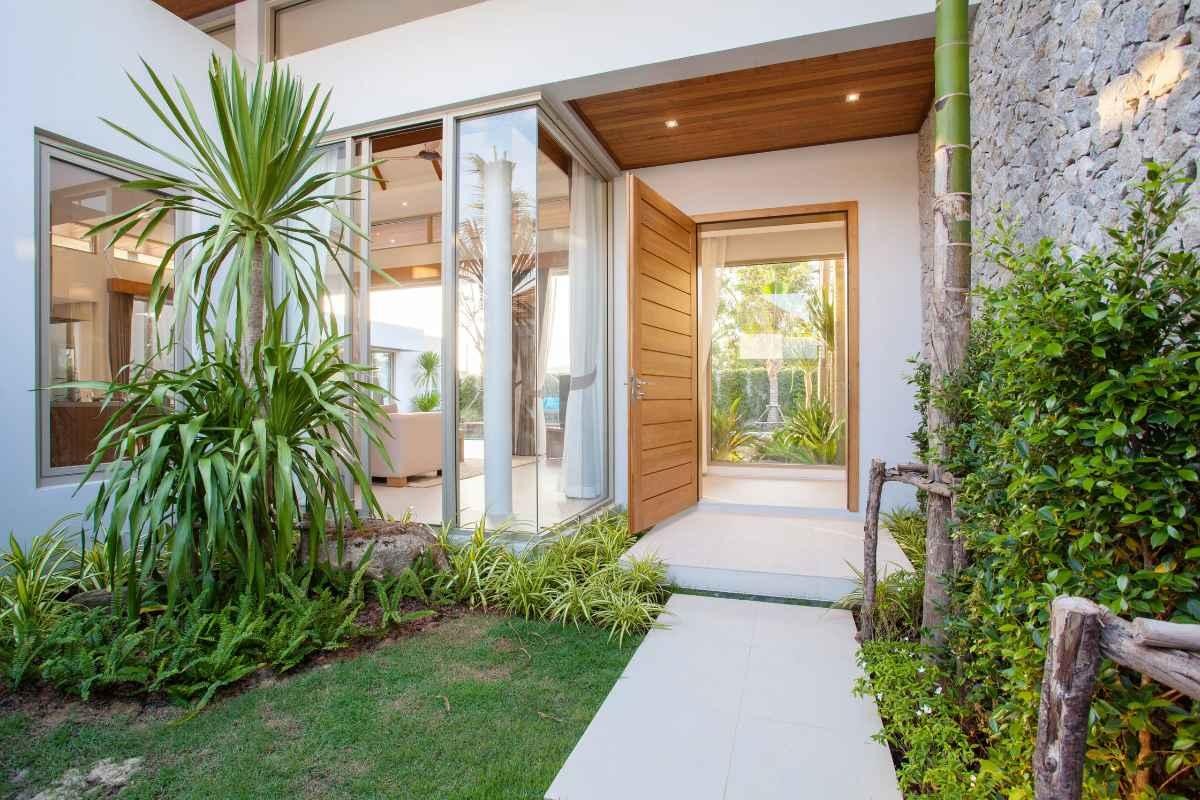
Expensive technology is not a primary requirement. The following examples show how you can apply the green home concept on a budget.
The first example is a two-story house with windows at the front and back, along with openings on the sides that allow air to flow through the rooms. Canopies or louvers are installed over the windows to allow light in while reducing direct sunlight and heat.
During the day, warm air can escape through higher openings, while cooler air enters through lower openings. This allows the house to benefit from natural lighting and ventilation, reducing the need for artificial lights and air conditioning.
This example is worth considering if you are not yet ready to commit to the concept fully or invest in expensive technology.
A large yard is not necessary. Even a home on a limited plot of land can have a small green space, such as a front garden or backyard.
Part of the ground is left permeable so that water can seep into the soil, while rainwater from the roof can be directed toward an infiltration area or collected first. This helps prevent all the rainwater from flowing directly into drainage channels.

Interestingly, a green home should not be understood solely as an individual building. The surrounding environment also influences residents' quality of life and the sustainability of the area.
Green spaces can also be found within residential developments. The Essence offers green open spaces, jogging paths, and gardens.
This highlights why a green home should not be viewed only as a standalone building. The environment in which the home is located also plays a role in determining residents' quality of life.
This aligns with the eco-township concept promoted by JGC, which incorporates green open spaces into the overall development.
Interested in living in one of the green homes at The Essence? Contact us to receive the best available offer.

