
Enter
To perform a search

| Monday - Saturday | : | 09:00 - 20:00 WIB |
| Sunday | : | 09:00 - 21:00 WIB |

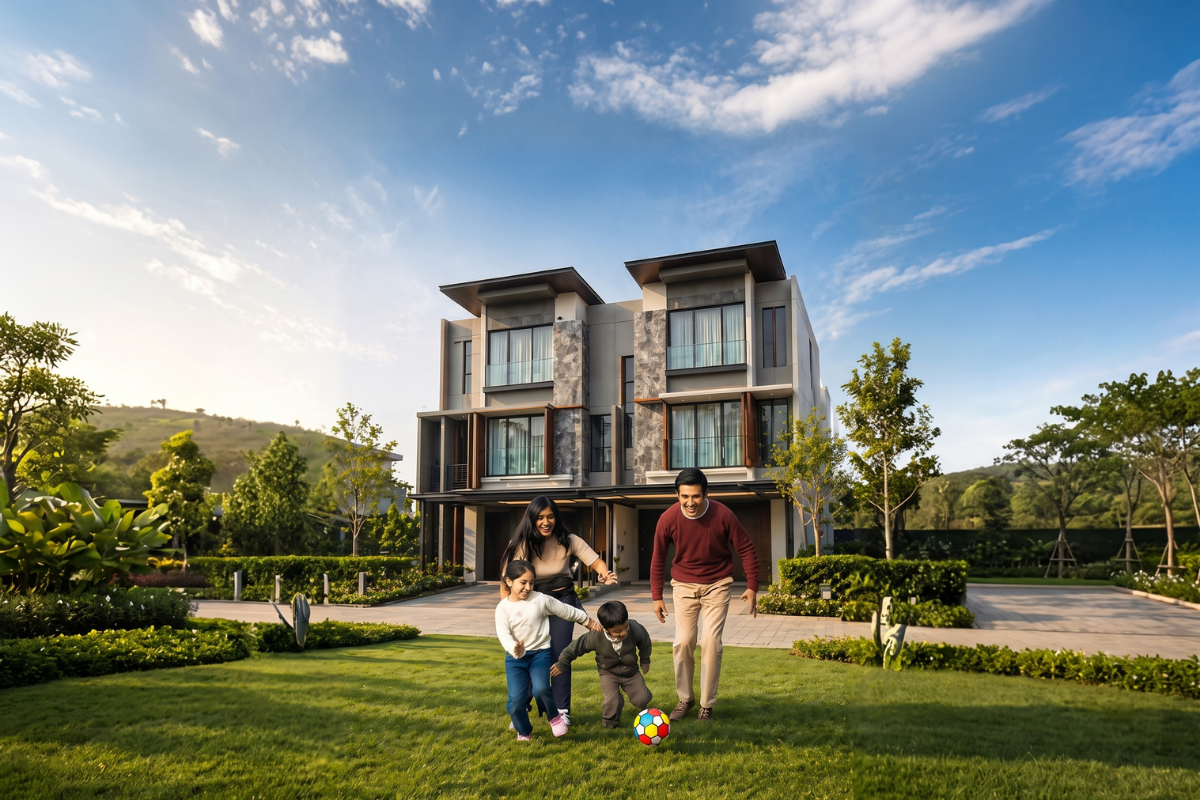
For a generation that has grown up amid demanding work environments and a growing awareness of sustainability, finding a home for Gen Z involves more than simply considering the price. This generation also looks for a home that aligns with its lifestyle preferences.
A survey by Jangkara Data Lab and Jakpat found that 95% of Gen Z considers work-life balance a priority. This means an ideal home for them should offer easy access to transportation to reduce commuting time, as well as an environment that supports physical and mental recovery after work.
So, what kind of home is truly suitable for Gen Z, and what are the recommended options? Let's take a closer look.

Sumber: Magnific @Jcomp
Considering Gen Z's lifestyle preferences and focus on work-life balance, here are six characteristics of a home that would suit this generation:
A home for Gen Z should be located close to workplaces, public transportation, or major roads. This can shorten commuting times and reduce the stress caused by traffic, ensuring that less of their free time is spent on the road.
The home should be located in a pedestrian-friendly neighborhood where facilities such as convenience stores, cafes, and public spaces can be reached without a vehicle. This supports an active lifestyle while reducing vehicle-related pollution, in line with Gen Z's strong interest in sustainability.
One study even found that 92% of Gen Z is willing to pay more to live in a walkable community.
Green open spaces can help Gen Z recharge after work. Exposure to green spaces can help reduce stress and mental fatigue, which is particularly important given the demands of today's working environment.
In addition, Gen Z is known for its interest in holistic health, making a green residential environment an added value that aligns with their lifestyle.
In addition to green spaces, access to sports facilities is another important consideration. These facilities provide a way to unwind while maintaining an active lifestyle amid a busy work schedule.
Jogging tracks, gyms, sports courts, and cycling paths allow residents to stay physically active without having to travel far from home.
These facilities can also serve as spaces for social interaction, reducing the need to spend additional time meeting people outside the residential area.
A home should provide reliable internet access, considering that much of Gen Z's daily activities depend on digital connectivity. From sending emails and attending online meetings to streaming entertainment, all of these activities require a stable internet connection to maintain productivity.
What comes to mind when you think of Gen Z? This generation has grown up with a strong culture of socializing, culinary exploration, and active lifestyles. As a result, Gen Z tends to prefer homes that are directly connected to commercial areas, cafes, malls, or entertainment centers.

Sumber: Magnific @zinkevych
While previous generations may have prioritized building size or price, Gen Z tends to consider the overall living experience.
They look for neighborhoods that support both productivity and personal recovery, especially as the boundaries between work and personal time continue to blur in today's modern working environment.
With this shift in preferences, the type of home that suits Gen Z is increasingly one based on an integrated concept. Housing, green open spaces, supporting facilities, and commercial areas are all located within the same neighborhood.

Sumber: Website @JakartaGardenCity
Among the various types of residential developments, an integrated self-sustained township is an appealing option. Essential needs from dining and entertainment to education, healthcare, and green spaces are available within a relatively short distance.
This concept aligns well with Gen Z's lifestyle, which prioritizes convenience, connectivity, and minimizing time spent commuting.

Sumber: Website @JakartaGardenCity
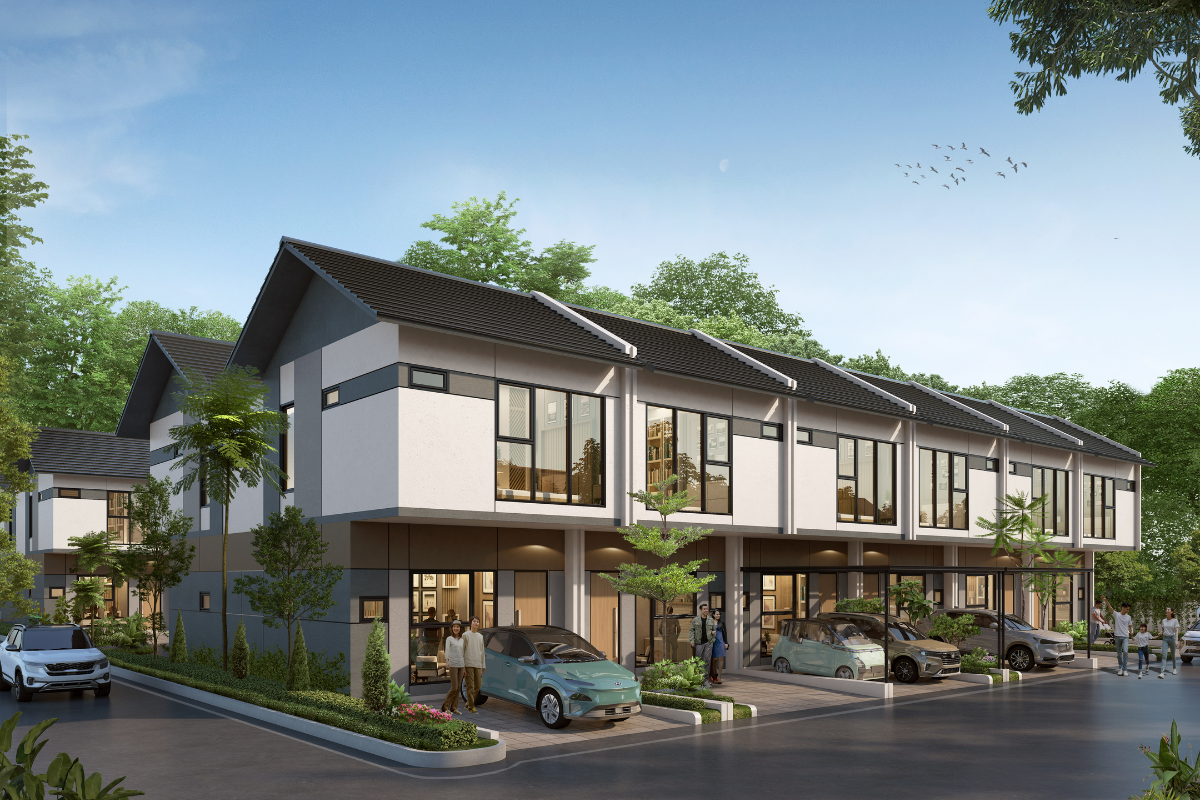
One residential development that suits Gen Z is Florence Village, part of Jakarta Garden City. The development offers two-storey homes with 3 bedrooms, 3 bathrooms, and a carport that can accommodate up to 2 cars, with prices starting from around IDR 1 billion.
Located within East Jakarta, the development is only approximately 10 minutes from Kelapa Gading, making it easy to access the city center whenever needed.
The toll road is also conveniently located, just 1 minute from the Cakung Timur Toll Gate, allowing residents to travel toward central Jakarta more quickly and efficiently.
The area also offers a comprehensive range of facilities to support everyday needs:
AEON Mall
IKEA
Gas station
Public Electric Vehicle Charging Station (SPKLU)
Sekolah Global Mandiri
Singapore Intercultural School
Golden Baby School
Mayapada Hospital
Basketball court
Tennis court
Jogging track
Swimming pool
Yoga Garden
City Park
Food Garden
Richeese Factory
Pizza Hut
Bebek Kaleyo
Rumah Makan Sederhana
Various cafes
Shopping, education, childcare, and healthcare needs are all available within the same ecosystem, in line with Gen Z's preference for an integrated lifestyle.
For those looking to purchase a home, Florence Village offers installment plans starting from IDR 5 million per month, making it an option worth considering for those who are beginning to plan for homeownership.
If you're interested in seeing the Gen Z-friendly residential concept discussed above firsthand, you can visit the Florence Village show unit at the Jakarta Garden City Main Boulevard. Alternatively, contact our sales team for more information and attractive promotions