
Enter
To perform a search

| Monday - Saturday | : | 09:00 - 20:00 WIB |
| Sunday | : | 09:00 - 21:00 WIB |


For those of you considering housing options, cluster houses can be an interesting concept to understand. The houses in these areas are designed as part of an integrated residential environment.
So, what are the characteristics, advantages, and disadvantages of these houses? Check out the discussion below.
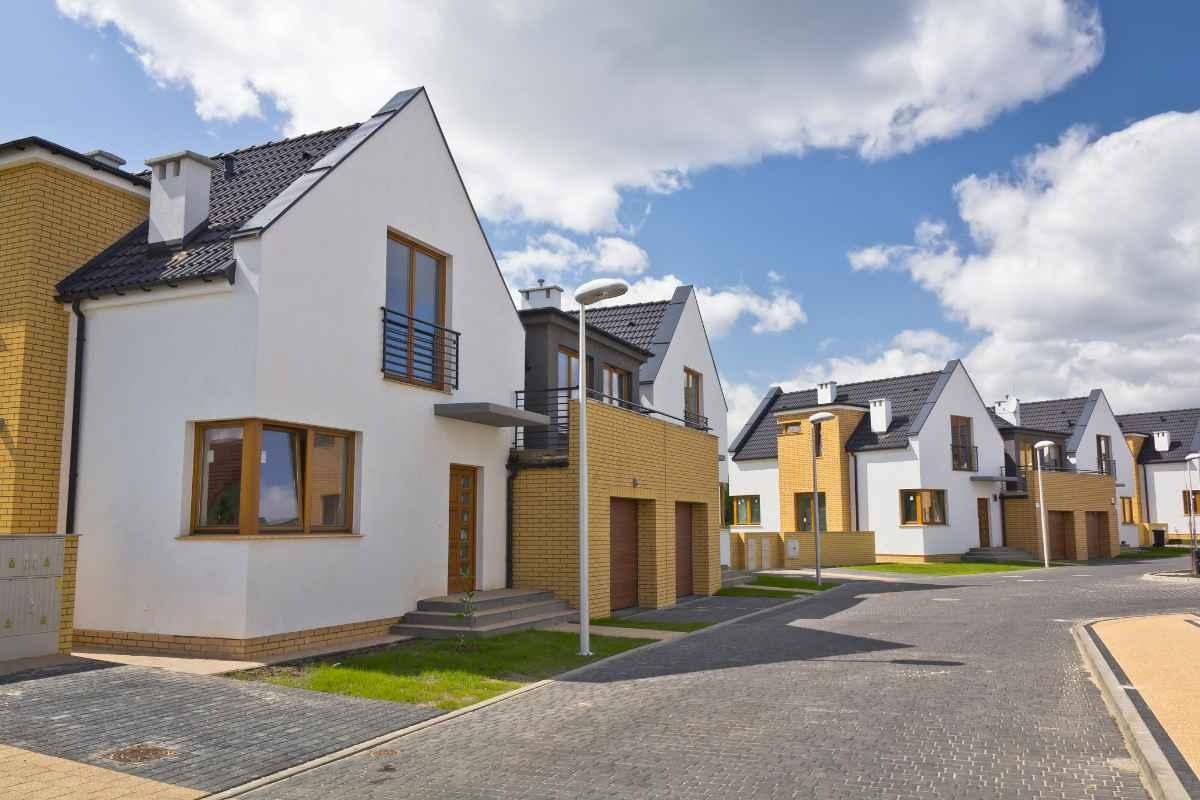
A cluster house is a house built within a residential area, with several units arranged to form a group of homes.
A residential development forms the larger area. A cluster is a group of homes within that area, while the smaller individual units are the houses located within the cluster.
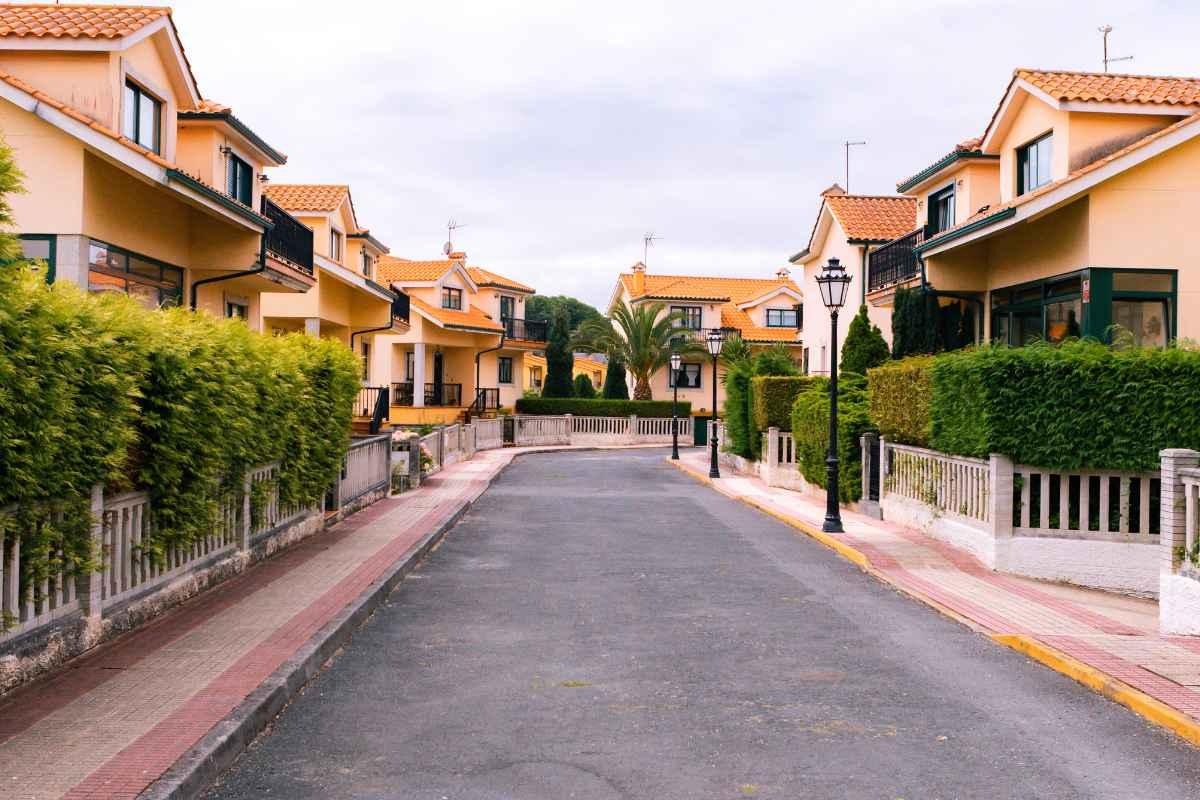
You can identify this type of house through several characteristics below.
The housing units do not simply stand separately. From the beginning, the developer designs the group of houses as one environment, including the house positioning, roads, open spaces, and facilities.
Therefore, a cluster generally has a limited number of units and clearly defined boundaries.
Meanwhile, houses within a cluster usually share certain patterns, such as:
Several house type options
Relatively uniform facade designs
Consistent building lines
Lot sizes within a certain range
Predetermined distances between houses
The internal roads within a cluster connect each housing unit and are generally designed together with the construction of the houses.
That is why, once you enter a cluster, it usually feels like entering a complete residential environment. Internal roads, gardens, drainage systems, lighting, and other environmental elements are arranged in an integrated manner.
On the other hand, you will also find clear boundaries between the cluster and the surrounding environment. These boundaries can take the form of:
Gates
Fences
Roads
Gardens
Meanwhile, the presence of gates and controlled entry and exit points reinforces the impression of the area as an exclusive residential environment.
A cluster is equipped with facilities such as gardens, playgrounds, places of worship, swimming pools, pedestrian paths, security systems, and many other facilities, all intended for residents of the area.
These cluster house facilities are provided as part of the developer's offering to sell an established residential environment.

If you live in a well-organized area with complete facilities, you can enjoy several of the following benefits.
Cluster areas generally have a more organized appearance because every element has been planned as one integrated unit. From house positioning and road sizes to green spaces and drainage, everything follows the developer's design.
This condition creates a more comfortable environment while helping maintain the area's appearance in the long term.
On the other hand, cluster areas generally implement more controlled entry and exit because security is part of the shared management system.
This can take various forms, from gates and security personnel to surveillance cameras or specific access mechanisms designed to control entry and exit.
A neat environment naturally offers its own appeal, especially for those who pay attention to the appearance of the area.
House designs, fences, roads, gardens, and other area elements usually follow certain rules or concepts. This consistency makes the area look more harmonious.
Therefore, even a cluster with a simple house design can still have an aesthetically pleasing appearance.
Some clusters offer fairly complete facilities, ranging from gardens and children's playgrounds to swimming pools, pedestrian paths, and sports courts. These facilities are part of the residential area, making them more convenient for residents to use.
A garden, for example, serves as a shared green space that can be used for relaxation or various activities.
In addition, living in an area with a relatively limited number of houses and shared spaces makes it easier for residents to meet one another. You may run into neighbors while taking a walk, relaxing in the garden, accompanying your children at the playground, or using shared facilities.
For those who enjoy a close-knit neighborhood, this type of environment can make interactions with neighbors feel more connected.
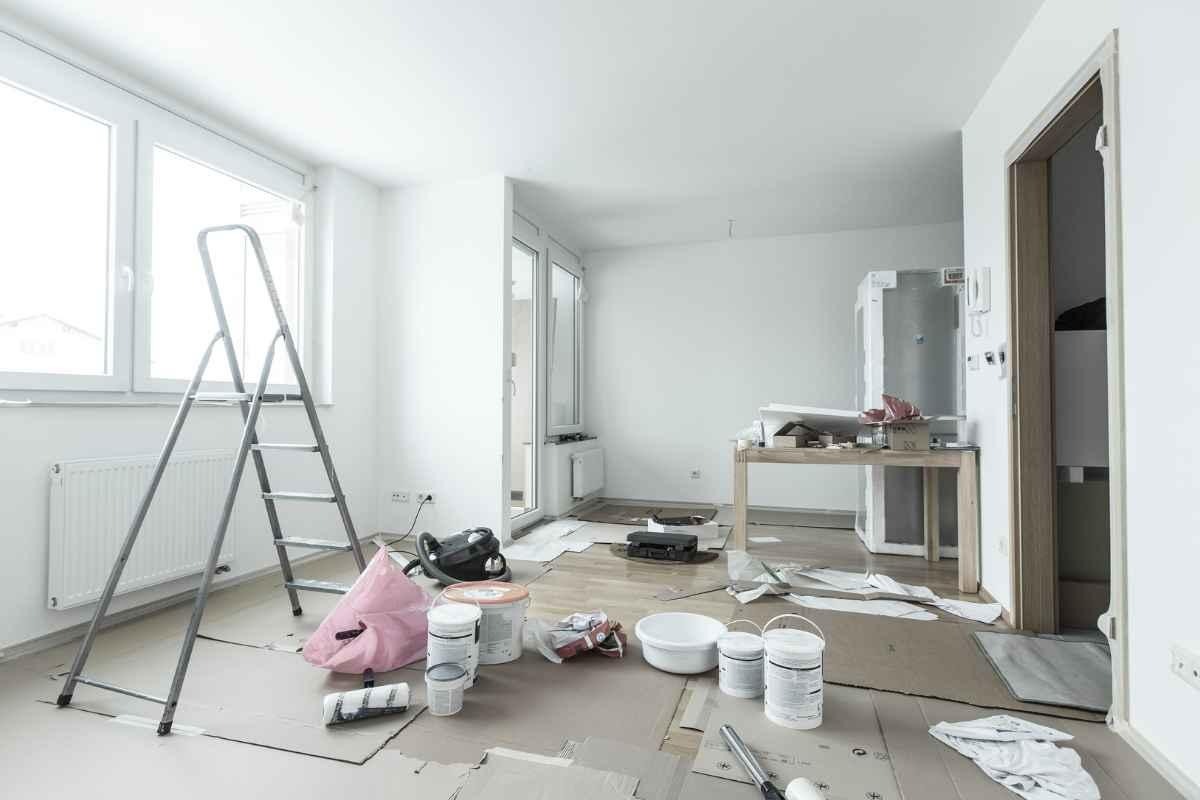
The structured management system also means that clusters have certain disadvantages. Here are some things you should consider before choosing one.
The freedom to renovate a house in a cluster generally follows the developer's regulations. These rules help maintain the area's uniform and organized appearance. As a result, you need to adjust your renovation plans according to the applicable regulations.
The density of the area means that cluster houses tend to be located relatively close to one another. You may find it easier to hear sounds or see your neighbors' activities in everyday life. Frequently used internal roads can also make interactions and activities around the house feel more open.
Uniform house designs can be both an attraction and a consideration, depending on the residents' preferences.
Some people may see this as a way to make the environment look more organized, while residents who prefer homes with a more personal character may want greater variety.
A monotonous impression may also arise when facade regulations limit modifications to the exterior of the house.
The more units there are in a cluster, the busier the activity within the area can become. Internal roads may become more crowded during peak hours, especially around the entrance.
Therefore, you need to consider the size of the cluster and the number of units when assessing its level of comfort.
The condition of a cluster is heavily influenced by the quality of its management. Without proper management, gardens may become less well-maintained, shared facilities may be damaged, roads may deteriorate, and security systems may be disrupted.
When choosing a home, you should also look into the developer's track record in managing the area over the long term to get a more accurate picture.

You can distinguish cluster housing from regular housing by looking at several aspects below.
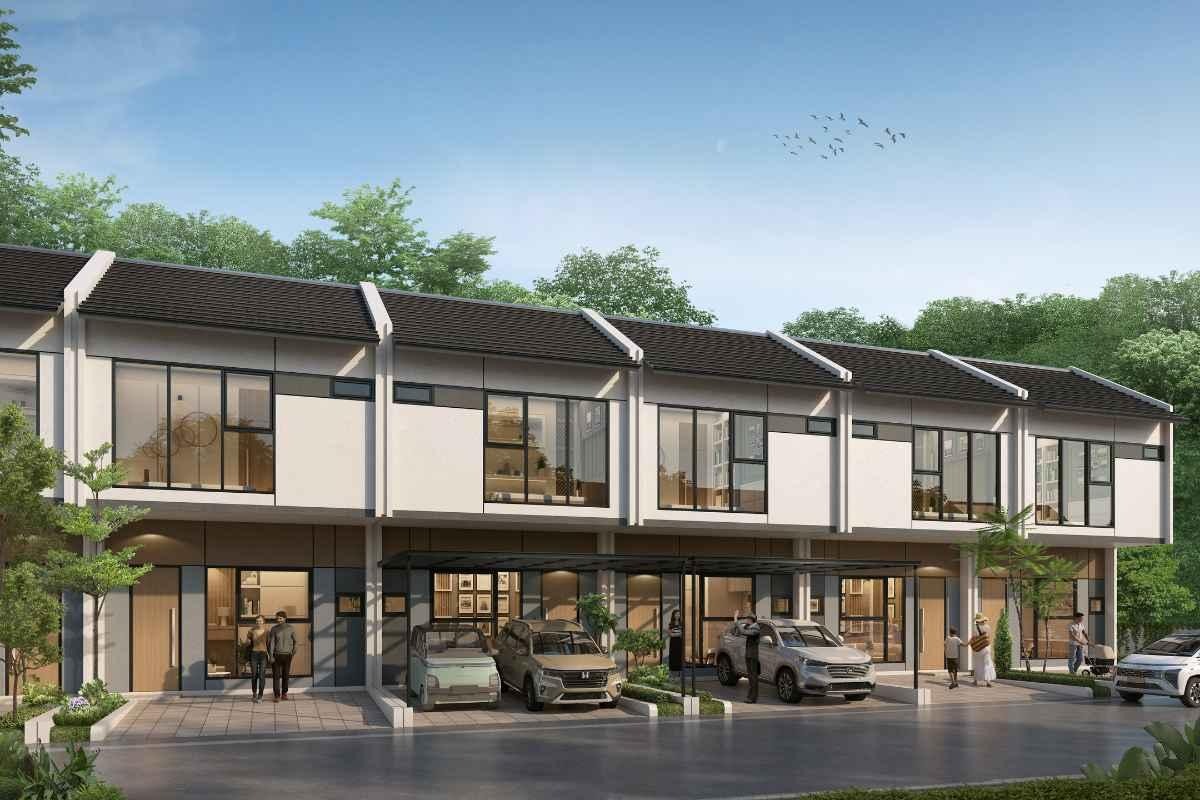
If you ultimately choose a cluster home, Florence Village at Jakarta Garden City offers two-story houses with 3 bedrooms, 3 bathrooms, and a carport with a capacity of 2 cars.
Although it adopts a compact residential concept, its layout still provides sufficient space for everyday needs.
Not only that, Florence Village's appeal can also be seen in the overall Jakarta Garden City environment. JGC incorporates gardens and green open spaces as part of its area concept, complete with sports facilities such as:
Clubhouse
Swimming pool
Tennis court
Basketball court
Children's playground
Gym
Jogging track
For those who want to live in a cluster house with a variety of supporting facilities, the scale of the JGC area is one of the attractive aspects you can consider. Interested in seeing it in person?
Contact us to get information about the best cluster house prices and arrange a visit to the available units.