
Enter
To perform a search

| Monday - Saturday | : | 09:00 - 20:00 WIB |
| Sunday | : | 09:00 - 21:00 WIB |

Every day, millions of urban residents spend hours simply commuting to the office, school, or shopping areas. This can cause physical and mental exhaustion even before the main activities of the day begin. This is where the 15-minute city concept can offer a solution.
The concept promotes neighborhoods where all your daily needs can be reached within a short amount of time. Workplaces, schools, hospitals, and shopping centers can be accessed on foot or by bicycle.
This article explores how the concept works, its benefits, and how it can impact your daily life.

Sumber: AI-generated
The 15-minute city concept is an urban planning system that allows residents to access their daily needs within just 15 minutes. The idea was introduced by Carlos Moreno, a professor at Sorbonne University, in 2016 to create sustainable urban environments centered around human comfort.
Its implementation uses a mixed-use zoning system, where residential areas, workplaces, schools, healthcare facilities, and recreational centers are integrated within the same neighborhood, supported by pedestrian- and bicycle-friendly infrastructure.
Its main goals include:
Reducing carbon emissions and creating a healthier environment
Shortening travel times and minimizing traffic congestion
Improving quality of life through more efficient mobility

Sumber: AI-generated
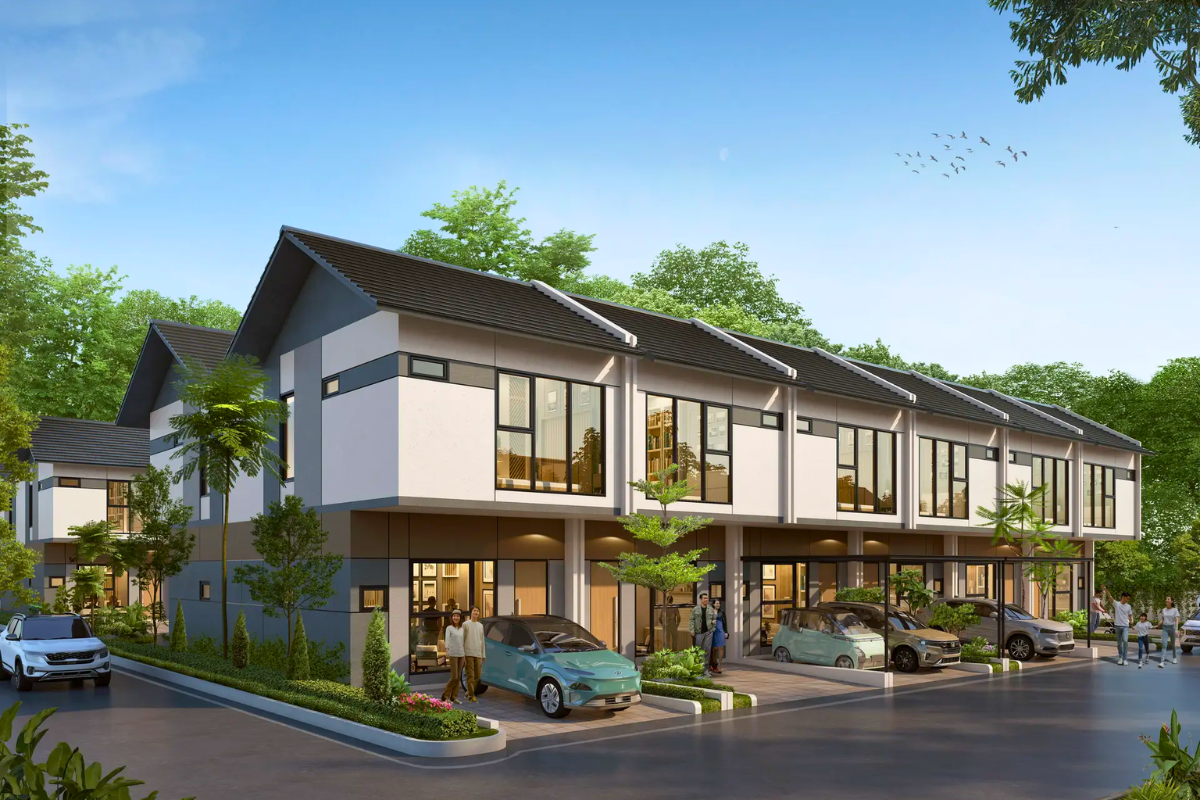
Living in a neighborhood that applies this concept offers numerous direct benefits for residents.
Here are some of the key advantages:
Schools, supermarkets, clinics, entertainment venues, and green open spaces are available within close proximity. You do not need to leave the neighborhood just to fulfill your basic needs. Everything can be reached within minutes.
Shorter distances automatically reduce daily travel time as well as transportation costs, whether for public transportation or fuel. You can have more time to relax or engage in other productive activities. Meanwhile, the money you save on transportation can be allocated to other needs.
When schools, workplaces, shopping centers, healthcare facilities, and public spaces are located closer together, you do not have to spend as much time traveling.
The time previously spent commuting can instead be used to rest, spend time with family, or enjoy other activities.
In addition, walking and cycling encourage residents to stay physically active.
Cleaner air, access to healthy food, quality green spaces, and more frequent interactions with neighbors can also support mental well-being and reduce feelings of loneliness.
Neighborhoods based on the 15-minute city concept generally have more controlled vehicle traffic. Residents, including children and older adults, can carry out their activities more safely.
Moreover, when more daily activities take place within the neighborhood, greater community activity can create natural social surveillance. As a result, the environment can feel safer.

Sumber: AI-generated
Implementing this concept can bring various changes to your daily life, including:
In densely populated urban areas, commuting to work can take 1–2 hours each way. With the 15-minute city concept, shorter distances can reduce the amount of time previously spent dealing with traffic congestion or waiting for public transportation.
That time can then be used to complete more work, rest, exercise, or spend quality time with family.
With facilities located closer together, you do not have to rely heavily on public transportation or private vehicles for your daily activities. You can simply walk comfortably to your destination. It is more economical and healthier for your body.
Long commutes to work lasting more than an hour have been associated with a 16% higher rate of depression.
With shorter travel times, this concept can directly contribute to a better balance between your career and personal life. Stress caused by traffic can be significantly reduced, leaving more space and time for your personal life and family.

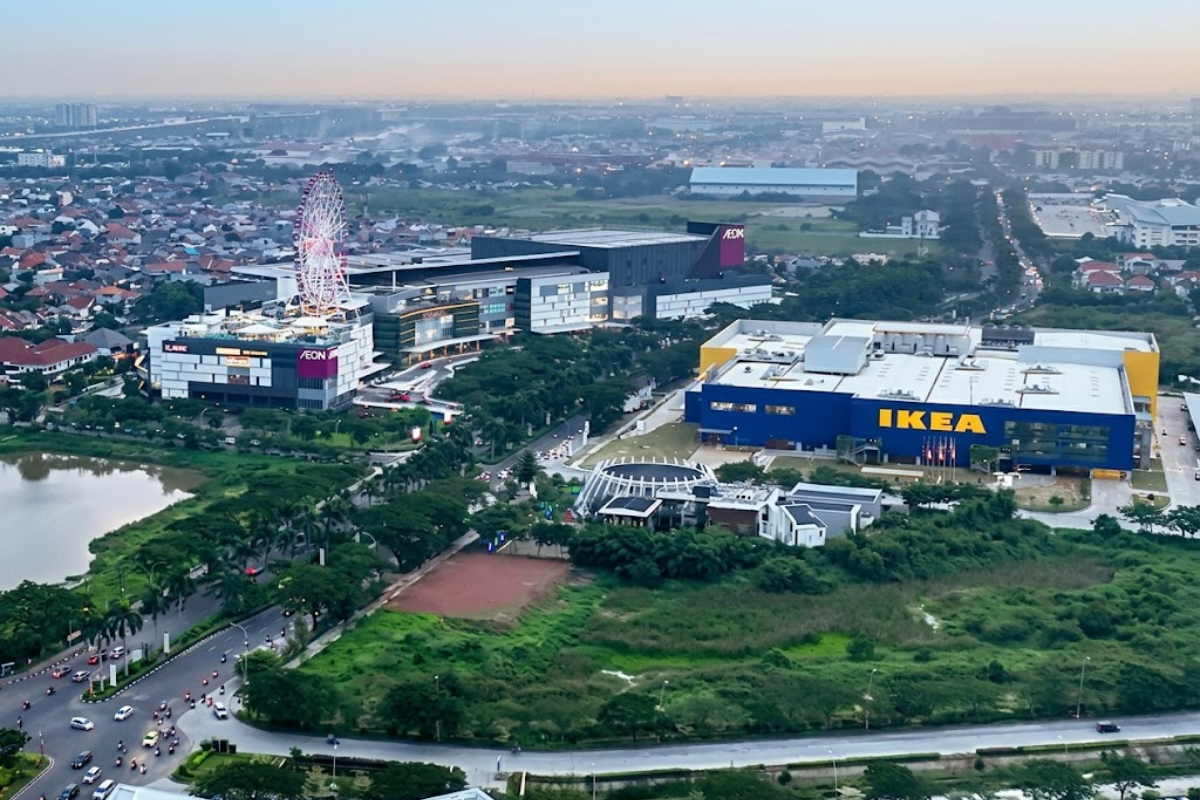
Sumber: Instagram @JakartaGardenCity
Jakarta Garden City embraces the spirit of the 15-minute city and one-stop living concepts, making it easier for residents to fulfill their daily needs without having to travel far.
Within the same neighborhood, you can find:
Integrated Commercial Areas: Homes located close to AEON Mall and IKEA.
Educational Facilities Within the Neighborhood: Golden Baby School, Sekolah Global Mandiri, and Singapore Intercultural School.
Complete Places of Worship: Facilities serving Muslim, Buddhist, and Christian communities.
International-Standard Healthcare: Mayapada Hospital, located close to the residential area.
A Variety of Dining Options: McDonald's, Pizza Hut, Bebek Kaleyo, Rumah Makan Sederhana, and many more.
Recreation and Lifestyle Facilities: A 3.7-hectare clubhouse, swimming pools for children and toddlers, tennis courts, 3-on-3 basketball courts, playgrounds, a gym, and a sauna.
All of these facilities are secured through a multilayered security system, including security personnel at the main neighborhood and residential cluster gates, CCTV at strategic locations, regular patrols, and a one-gate system for tighter access control.
Making the 15-minute city concept a priority when choosing a home is a smart step toward ensuring a better quality of life in the future. Today, you can experience it at Jakarta Garden City.
Contact our team to find a home that best suits your needs and those of your family