
Enter
To perform a search

| Monday - Saturday | : | 09:00 - 20:00 WIB |
| Sunday | : | 09:00 - 21:00 WIB |

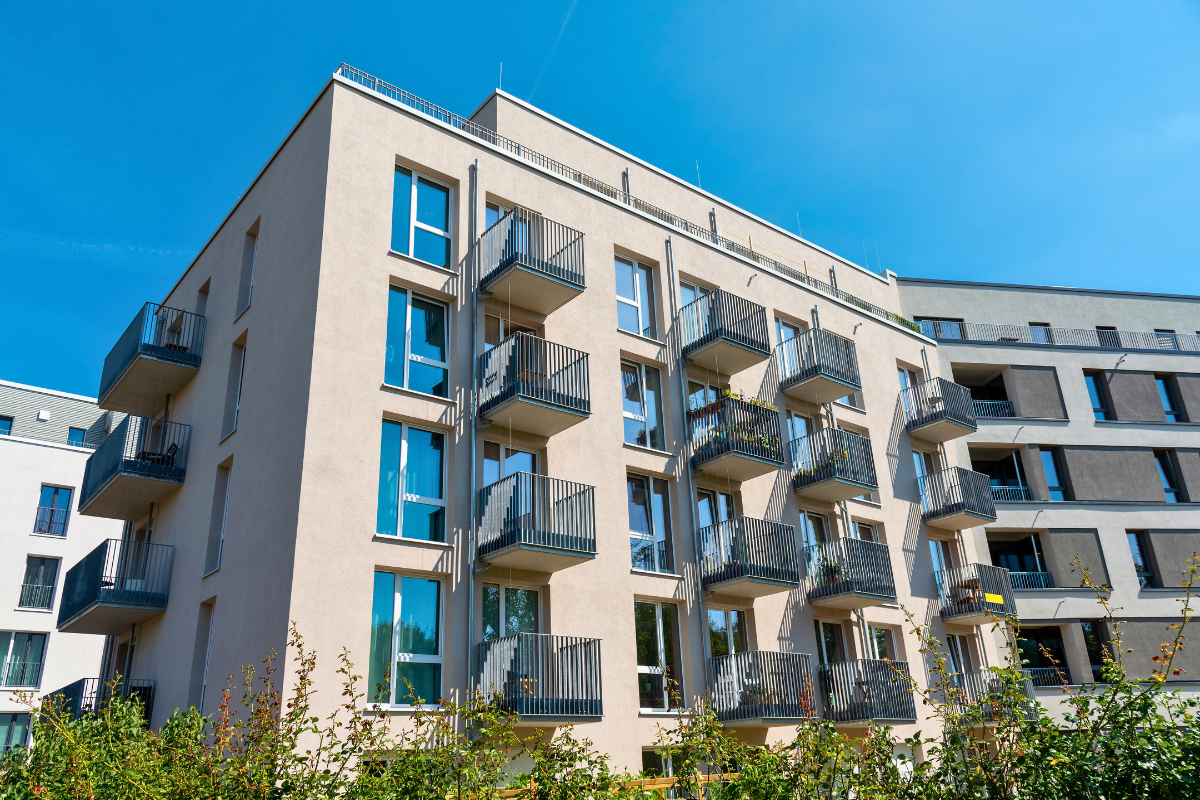
Are condominiums and apartments the same? Both are forms of vertical housing, but there are several differences between them that prospective buyers may not fully understand. Knowing these differences is important to help you find a property that best suits your personal needs and preferences.
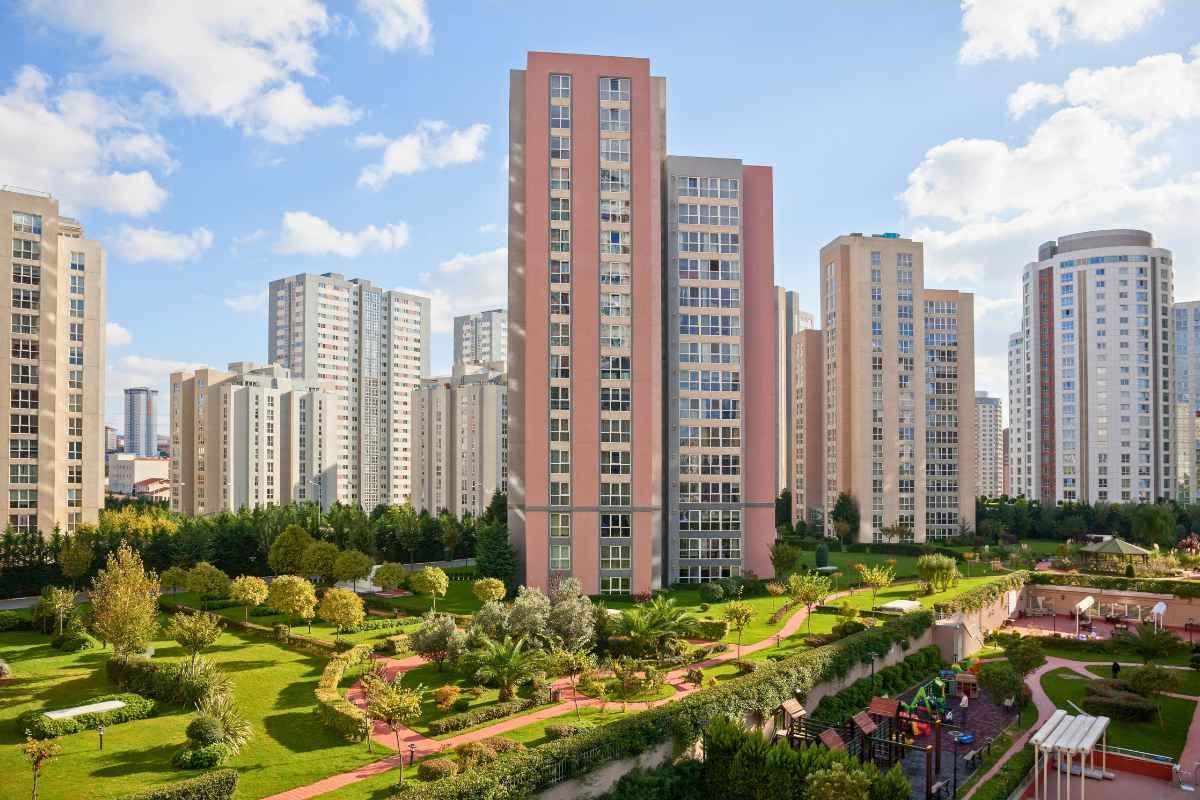
An apartment is a type of residence that accommodates multiple housing units within a multi-story building.
Each unit serves as a separate living space. Meanwhile, certain facilities, such as the lobby, elevators, corridors, parking areas, and shared spaces, are jointly owned or used by all residents.
In short, an apartment is a residential unit located within a multi-story residential building.
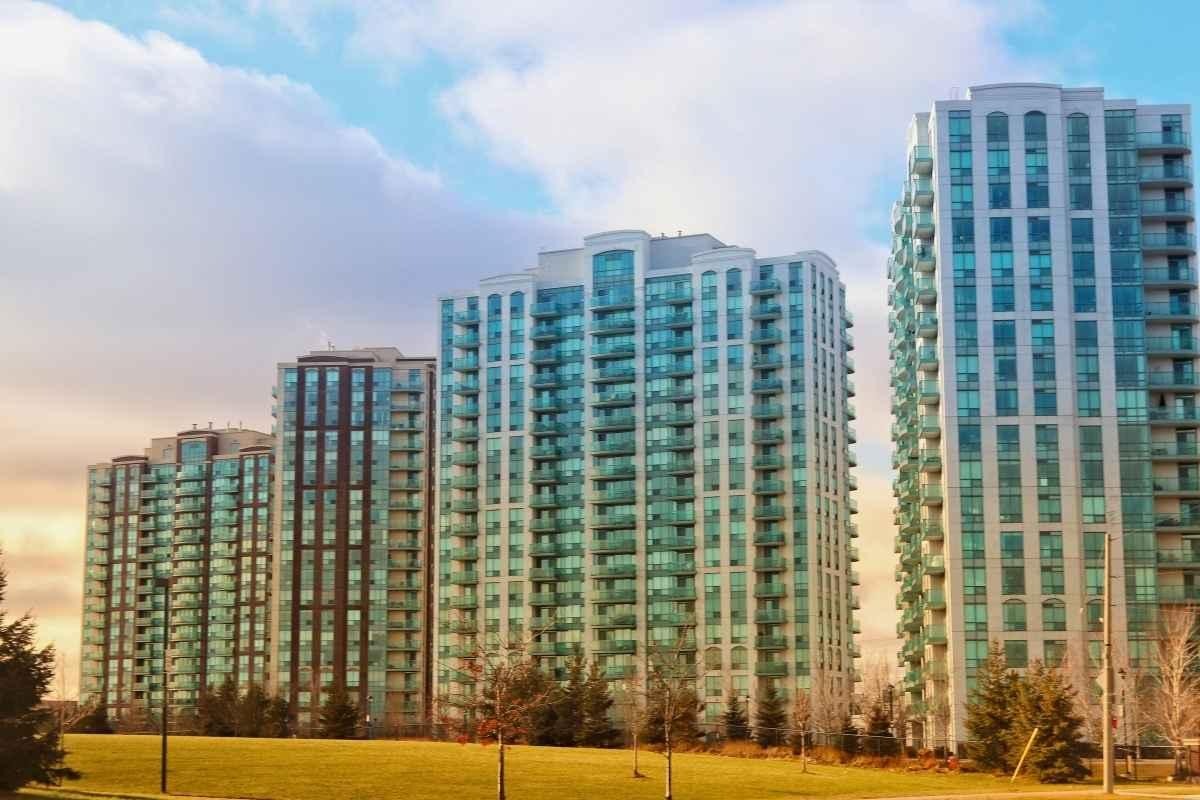
A condominium, on the other hand, refers to ownership of a residential unit within a multi-story building. The owner, for example, has rights to their individual unit as well as shared rights to certain parts of the building or residential environment.
A single building can be described as both an apartment building and a condominium if the units inside it are individually owned. Because the definitions are closely related, many people consider the two to be the same. However, in the property context, condominiums and apartments are not exactly the same.
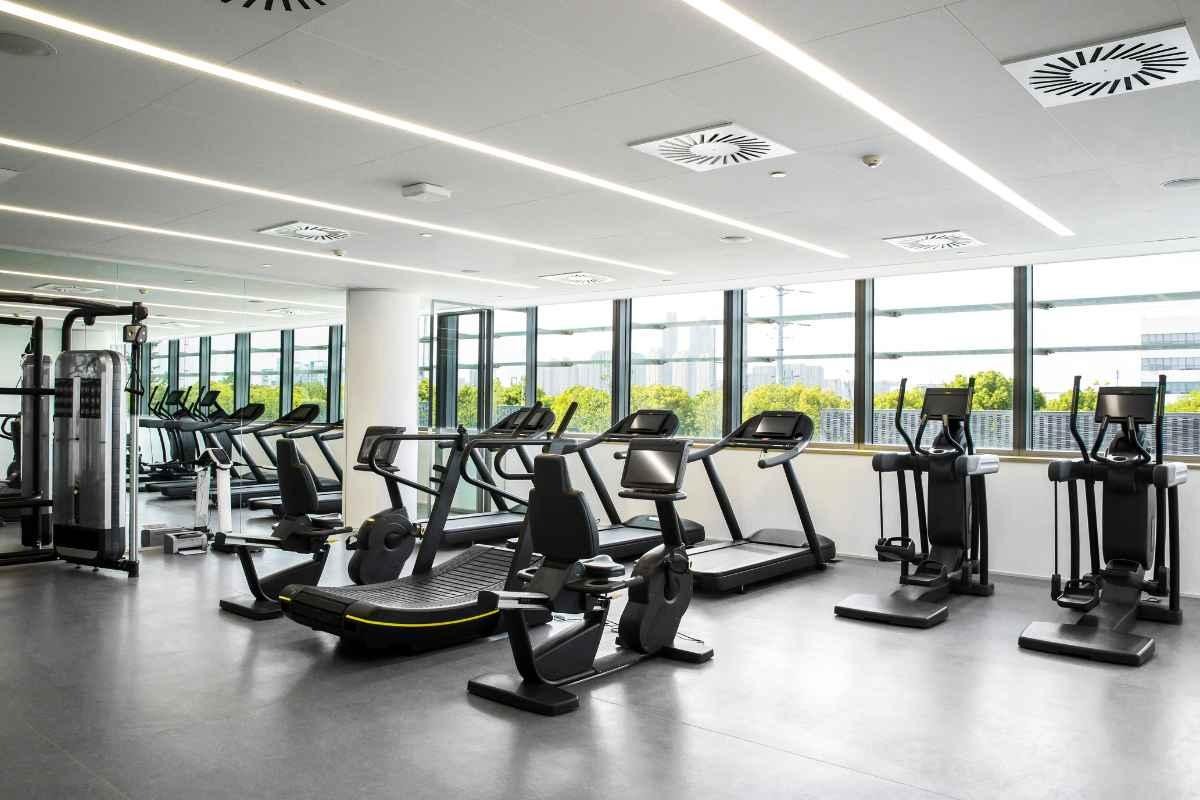
When it comes to facilities, which are often a major point of interest for prospective buyers, the differences between condominiums and apartments are actually not that significant. Both may offer swimming pools, gyms, gardens, parking areas, security, and other facilities.
However, the distinction becomes clearer when you look at how these facilities are positioned and managed.
In an apartment, facilities are part of the building management's services for residents. The management handles who can use the facilities, operating hours, usage rules, and maintenance. This means residents primarily act as users.
In a condominium, meanwhile, shared facilities are more closely connected to the shared ownership rights of the unit owners.
For example, a swimming pool and gym may be located in common areas, with usage rights attached to unit ownership in accordance with the applicable regulations. Owners collectively bear maintenance costs through fees and have a stake in the management of these shared facilities.
However, this does not mean that condominiums necessarily offer more or more luxurious facilities than apartments. An apartment may have far more extensive facilities than a condominium.
In short, the main difference lies in the relationship between residents or owners and the facilities, whether they act solely as users or also have a role in managing them.
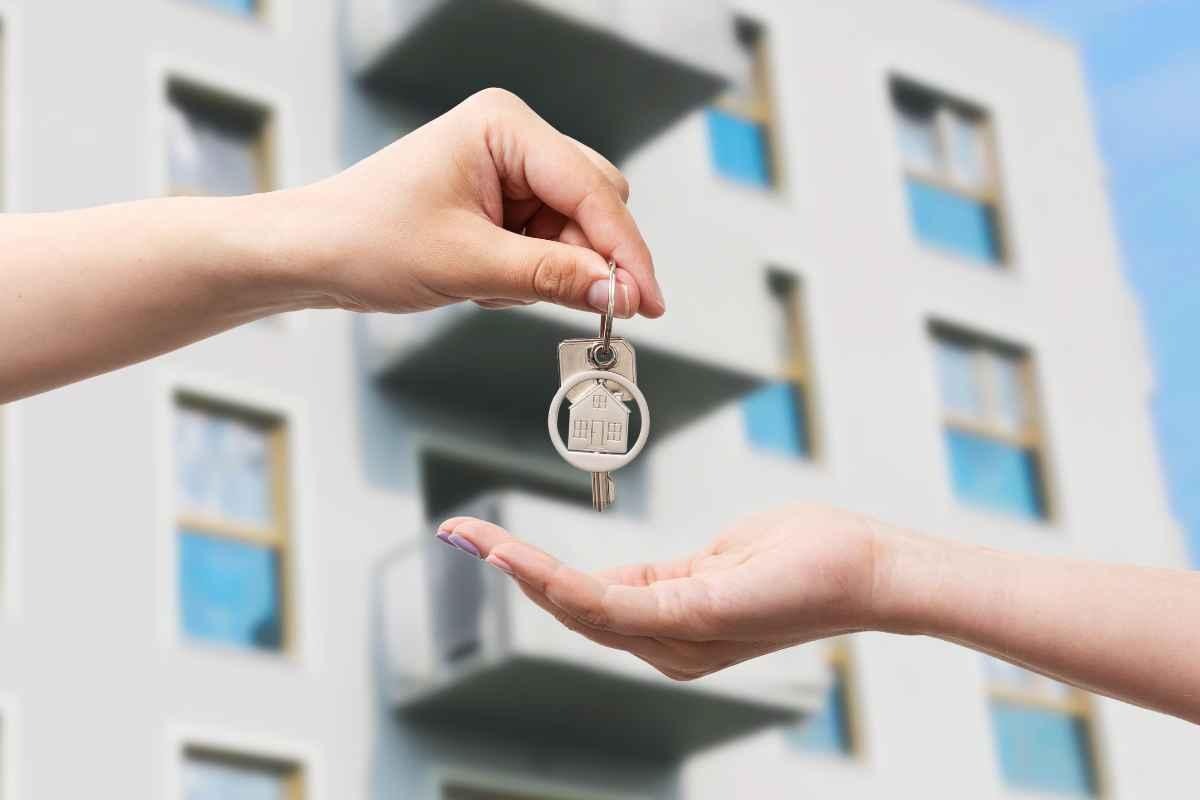
There are several advantages and disadvantages of condominiums that you can consider.
Advantages
Ownership rights to the unit are clearly defined, allowing you to occupy, rent out, or transfer it in accordance with applicable regulations.
You can enjoy facilities within the building, such as swimming pools, fitness centers, gardens, shared spaces, and more.
Common areas are maintained collectively through management fees, so you do not need to handle the maintenance of elevators, corridors, lobbies, gardens, security systems, or other shared facilities yourself.
Subject to the owners' association mechanisms and applicable regulations, you can participate in decisions regarding property management.
Disadvantages
You need to pay regular maintenance fees for shared areas and facilities.
Although the unit is your private property, you must comply with rules regarding unit usage, renovations, pets, business activities, parking, and the use of shared facilities.
The quality of the facilities depends on the owners' ability to manage the building and allocate funds for maintenance.
Certain changes or decisions cannot be made unilaterally by an individual owner because some condominium areas and facilities are jointly owned.

Meanwhile, the advantages and disadvantages of apartments are as follows.
Advantages
Residential facilities are generally quite comprehensive, ranging from swimming pools, gyms, gardens, and playgrounds to multipurpose rooms, parking areas, and security. You can enjoy these facilities without having to provide or maintain them yourself.
Building maintenance is more convenient because the property manager handles the needs of shared areas, including cleanliness and security.
Apartments are generally located in urban areas close to offices, shopping centers, public transportation, schools, hospitals, or business districts.
A wide variety of unit options is available, ranging from studios to units with multiple bedrooms.
Disadvantages
In addition to the installment payments or purchase price, you need to consider building management fees and any additional charges for using certain facilities.
Compared with a landed house at the same price, an apartment unit is generally smaller, resulting in more limited private space.
You must comply with various rules, including those concerning renovations, balcony use, installation of certain equipment, pets, business activities, and shared facilities.
The quality of building management directly affects your level of comfort.

Those are the differences between condominiums and apartments. Each has its own advantages and disadvantages that you should consider before choosing a place to live or an investment asset.
If you ultimately decide to choose an apartment, Cleon Park is worth considering as an option in East Jakarta.
This semi-furnished apartment by Jakarta Garden City comes equipped with:
Air conditioning
Kitchen set
Wardrobe
Washing machine and dryer
This means you do not need to spend a large amount upfront on furniture and household appliances. You can move into the unit whenever you are ready, saving both time and effort.
Fully equipped inside and out. Here are the JGC facilities you can enjoy right inside the building:
Swimming pool
Gym
Garden
Playground
Commercial area
After understanding the differences between condominiums and apartments, you will find it easier to make your choice. If you are looking for an apartment within a self-contained township with well-developed facilities, Cleon Park could be an appealing option.
Contact us to get recommendations for Cleon Park unit types that suit your needs and arrange a visit to see them in person.