Enter
To perform a search
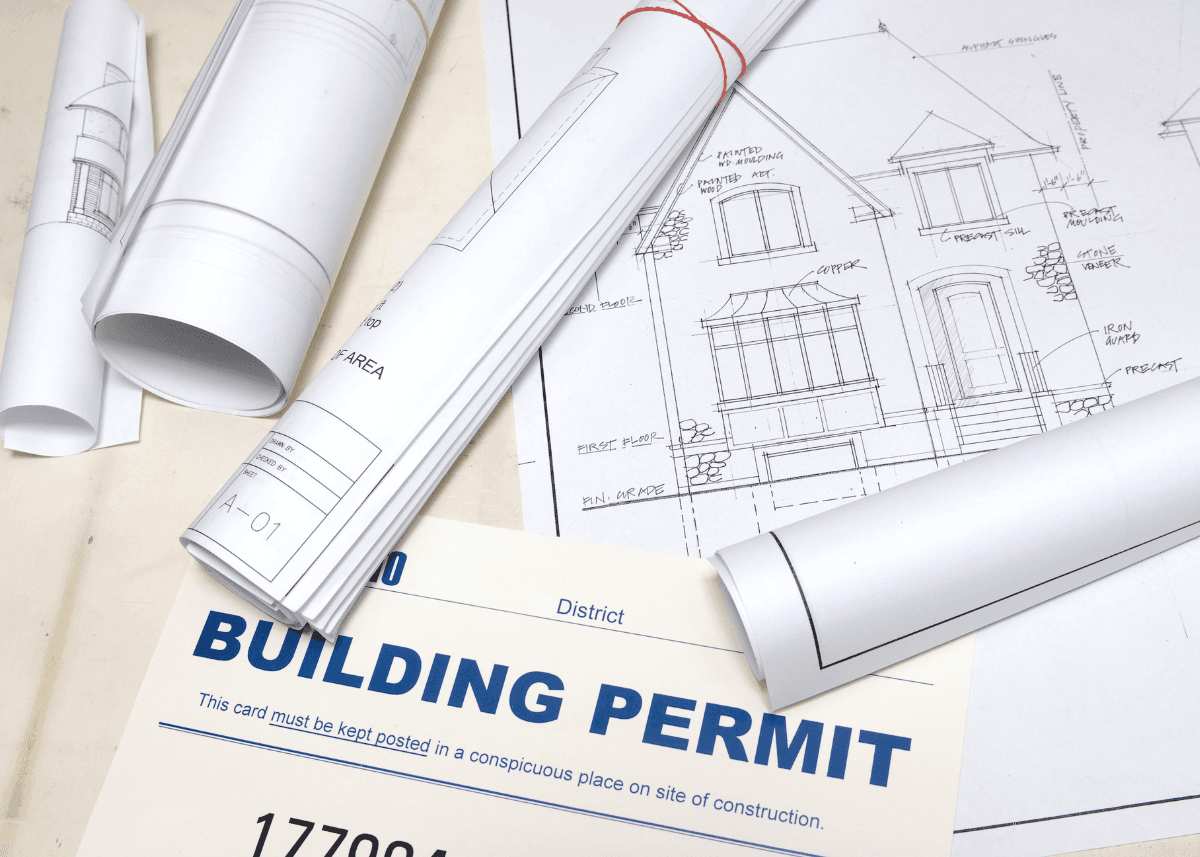
Buying a house without proper permits can lead to serious problems in the future. Unfortunately, many property owners still don’t fully understand the importance of IMB. That’s why it’s essential to learn what IMB is through this guide—so your building remains legal and secure.
What does IMB stand for? IMB (Izin Mendirikan Bangunan) refers to a Building Construction Permit, an official approval issued by the local government that allows a landowner to build, renovate, or maintain a structure.
However, the government has now introduced a new term: PBG (Persetujuan Bangunan Gedung).
So, what is IMB or PBG in practice?
IMB (the older system) focused on administrative approval before construction begins.
PBG (regulated under Government Regulation No. 16 of 2021) emphasizes compliance with technical building standards to ensure long-term safety and reliability.
Even so, existing IMB documents remain legally valid.
What is IMB used for besides being a requirement in property transactions? Here are its key functions:
1. Ensuring Compliance with Zoning (Spatial Planning / RTRW)
IMB ensures that buildings align with regional spatial planning regulations (RTRW).
Land use is controlled through zoning—dividing areas into residential zones, green zones (water absorption), industrial zones, and commercial zones. IMB helps prevent misuse of land that could lead to conflicts or environmental issues.
Without proper permits, illegal construction in green zones may increase, potentially causing ecological problems such as flooding or land subsidence.
2. Ensuring Safety and Structural Integrity
Safety is a top priority in modern building regulations.
A building with an IMB has passed technical reviews by experts or authorized agencies. This includes structural safety, durability, and evacuation readiness in case of emergencies.
In short, IMB guarantees that a building is safe and suitable for use—whether for residential or commercial purposes.
3. Legal and Administrative Protection
Legally, IMB serves as proof of ownership compliance. In case of disputes—such as land boundary conflicts or complaints from neighbors—it can be used as valid evidence in court.
It is also required for administrative processes, such as upgrading land status from Right to Build (HGB) to Freehold Title (SHM).
Today, you can apply for IMB (or PBG) online through the
Building Management Information System (SIMBG).
You’ll need to prepare the following documents:
Administrative Documents: ID card (KTP) or Tax ID (NPWP), land ownership certificate (SHM or SHGB), and proof of latest property tax (PBB) payment
Architectural Documents: Floor plans, elevations (front/side views), building sections, and site plan
Structural Documents: Structural calculations (columns, beams), foundation drawings, and soil test (for buildings over two floors)
Utility Documents: Electrical layout, wastewater sanitation system, drainage plan, and lightning protection system
The process typically takes around 28 working days, provided all documents are complete.
Steps to apply:
Register as an applicant on the official SIMBG website
Fill in building details (location, function, etc.)
Upload all required documents in high-quality PDF format
Wait for verification and possible technical consultation
Pay the calculated fees based on building size and location
Download and print the approved IMB/PBG document
Many buyers are tempted by cheaper prices without realizing the risks of properties without IMB:
1. Forced Demolition
Local governments have the authority to demolish illegal buildings. Owners are not entitled to compensation, meaning total financial loss.
2. Low Resale Value
Properties without legal permits are considered defective assets. Their value drops significantly, and selling them becomes difficult due to limited buyer interest.
3. Difficulty Accessing Public Utilities
Utility services like electricity (PLN) and water (PDAM) often require proof of building legality. Without IMB, installation may be denied.
4. Limited Financing Options
Banks require IMB as a key document for mortgage approval. Without it, you cannot apply for home loans or use the property as collateral.
5. Administrative and Legal Sanctions
Property owners without permits may face fines of up to 10% of the property value, along with risks such as suspension or revocation of the Certificate of Feasibility (SLF)—making the building unfit for use.
You don’t have to worry about legal compliance if you choose a property in Jakarta Garden City, where legal integrity is a top priority.
Here’s why it’s a safe investment:
Trusted Developer: Developed by PT Modernland Realty Tbk., with over 40 years of experience
Perfect Spatial Planning Compliance: Fully aligned with Jakarta’s urban planning regulations
Complete Legal Documentation: Every unit comes with proper permits, ensuring smooth mortgage processes
Eco-Township Concept: Certified with international standards like the Green Mark Gold Award
Interested in owning a home with complete peace of mind without worrying about IMB in the future? Contact us today to secure the best unit in the heart of East Jakarta

| Monday - Saturday | : | 09:00 - 20:00 WIB |
| Sunday | : | 09:00 - 21:00 WIB |