Enter
To perform a search
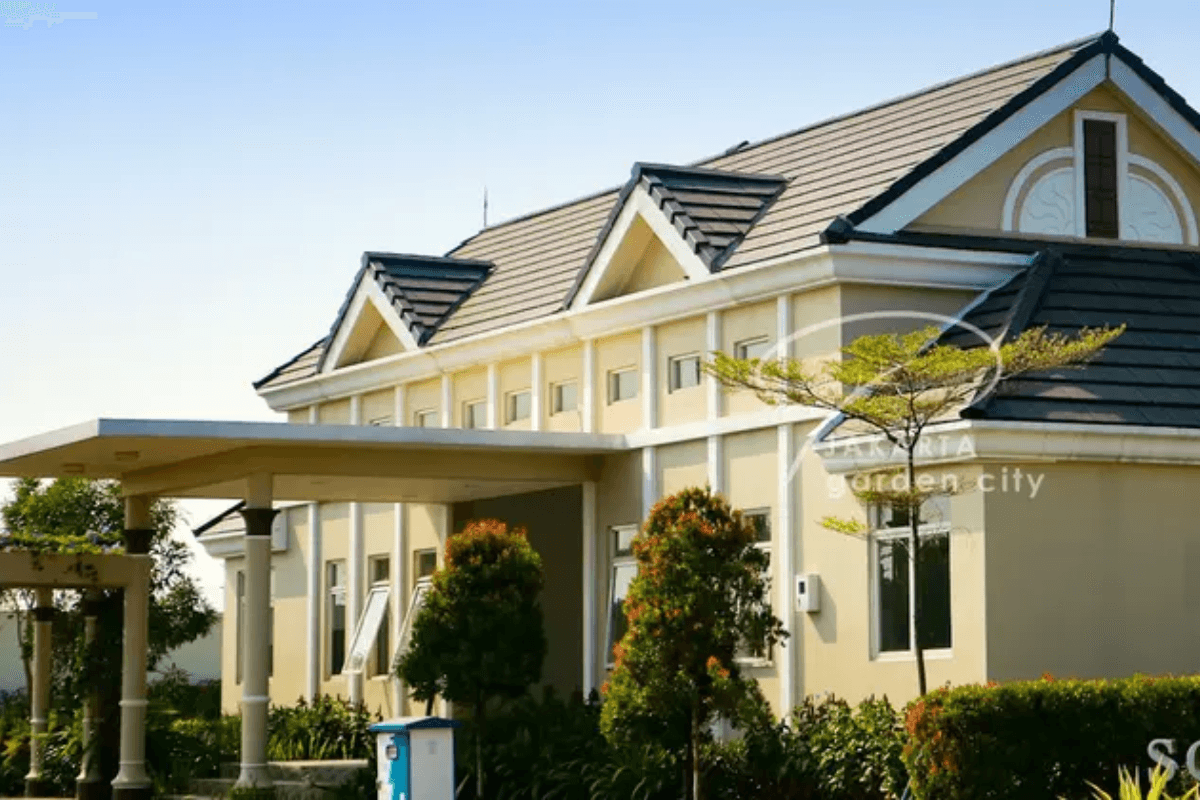
The advantages of a corner lot home (rumah hook) often make it 10–20% more expensive than standard units within the same residential area. This is also why corner units are frequently the first to sell out when bookings open.
This certainly isn't a coincidence or merely a developer's marketing gimmick. So, why are corner homes more expensive when they're "just" located at the end of a block? The answer lies in a unique combination of functionality and scarcity that other units simply don't offer.
Technically, a corner lot home is a unit located at the intersection or corner of a residential block, with two sides facing roads. This differs from middle units, which typically have only one side facing the street.
The term itself comes from the Dutch word hoek, meaning "corner," referring to a lot situated at the meeting point of two roads.
But what makes this position so desirable?
It's not merely about having a more eye-catching façade with two visible sides. These two open sides have a direct impact on everyday living.
Besides allowing sunlight to enter from multiple directions, air circulation is also much better because the home is not blocked by neighboring walls. Additionally, the façade design offers far greater flexibility than a unit with only one side facing the street.
What makes people willing to pay a premium for a corner unit? These four benefits work together to justify the higher price.
Being positioned on a corner usually means having extra land on the side, which middle units do not have.
This additional space can be used as:
A garden
An extra carport
A children's play area
The functional benefits are immediately noticeable from the first day of occupancy.
Two open sides allow fresh air and sunlight to enter from multiple directions.
As a result, the house feels cooler and brighter throughout the day without relying heavily on additional ventilation systems.
Not sharing walls directly with neighbors on both sides means fewer direct sightlines into your home.
However, because both sides face public roads, activities in your yard may actually be more visible to passersby from two different directions.
In other words, the privacy gained on one side is partly offset by greater exposure on the other.
Interestingly, Indonesia's residential property prices grew by only 0.62% year-on-year in the first quarter of 2026, the slowest growth since this data series began in 2003.
Yet limited-supply properties like corner homes continue to attract strong demand because their scarcity is largely independent of broader market trends.
While the advantages are attractive, paying a premium for a corner lot also comes with additional responsibilities that buyers often overlook.
Corner units typically have a larger land area, which generally results in a higher assessed property value (NJOP).
Consequently, the annual Property Tax (PBB) is usually higher than that of standard units.
Keep in mind that this is not a one-time expense, it is an ongoing yearly obligation.
With two exposed sides, you have:
More exterior walls
More fencing
Larger outdoor areas to maintain
Costs for repainting, fence repairs, and landscaping can be significantly higher than for homes with only one street-facing side.
Corner units, particularly those near the entrance of a residential cluster, often experience traffic from two directions.
This means:
More noise
Greater visibility
Higher security considerations
Additional security features, such as stronger fencing or enhanced security systems, may become necessary.
Before imagining all the possibilities for your additional side yard, there's an important regulation many buyers overlook: the Building Setback Line (GSB – Garis Sempadan Bangunan).
For corner homes, the setback requirement applies to both the front and the side that borders the road, in accordance with Ministry of Public Works Decree No. 441/KPTS/1998 on Technical Requirements for Buildings.
In residential developments, the setback distance is generally around 3–5 meters from the road edge, and no permanent structures may be built within this zone.
So, can you fully utilize all of the extra land?
Not necessarily.
A portion of it must remain as open space on both sides.
Therefore, before calculating your home's expansion potential, make sure you first understand the setback allocation of the unit you're considering. Doing so will help ensure your expectations about having "more land" align with reality.
If you're leaning toward a corner lot home, here are three things you should review carefully:
Check the building setback allocation (GSB) to determine how much of the land can actually be used.
Evaluate the unit's position within the cluster and its proximity to amenities. In planned townships like Jakarta Garden City, this often creates more realistic negotiation opportunities than in the secondary housing market.
Compare the price per square meter between corner units and standard units within the same cluster. This provides a more objective assessment than simply looking at the total selling price.
Ultimately, choosing a corner home isn't about following a trend. It's about finding a property that matches your priorities, budget, and long-term plans.
The advantages of a corner lot home are indeed real but their value can only be fully appreciated when you've carefully considered all the factors before making your decision.
Consult with the Jakarta Garden City team to check availability and receive a pricing simulation for corner units that best suit your needs before making your final choice

| Monday - Saturday | : | 09:00 - 20:00 WIB |
| Sunday | : | 09:00 - 21:00 WIB |