Enter
To perform a search
Who says finding your dream home in the capital city is impossible? East Jakarta is now home to some of the most sought-after residential developments, offering both strong investment value and guaranteed comfort.
What makes East Jakarta special, and which housing areas should you consider? Check out the full review below.
East Jakarta has undergone a massive transformation over the past decade. Compared to other parts of Jakarta, the availability of land here has allowed developers to build premium residential areas.
In fact, in 2024, transactions in the upper-middle housing segment surged by 433% in this area. Stable post-election economic growth also drove a 30% increase in luxury home searches in Q2 2024.
The central bank’s benchmark interest rate cut from 6.00% to 5.75% in early 2025 has further boosted buyer interest. Combined with the extension of the 0% property tax incentive until June 2025, the property market here is thriving.
So, if you're considering buying a home in East Jakarta, it’s clear that the market is in excellent condition.
Where you live determines your long-term quality of life—and East Jakarta offers a complete package that’s hard to match:
1. Competitive Property Prices
Despite being part of the capital region, housing prices in East Jakarta remain more affordable than Central or South Jakarta.
The property price index recorded a modest 0.83% growth by the end of 2025, indicating a mature and stable market with low risk of a property bubble. This means you can get a larger landed house at a relatively competitive price.
2. Lower Cost of Living
Daily living expenses here are more manageable. While the average monthly spending in Jakarta can reach tens of millions of rupiah, East Jakarta offers more affordable options.
Access to large traditional markets helps reduce costs, while average monthly housing expenses (utilities, etc.) are around IDR 3.19 million, and food expenses average IDR 2.78 million.
3. Strategic and Growing Location
East Jakarta serves as an economic bridge between Jakarta’s business districts and industrial areas like Bekasi and Cikarang.
The rise of township developments has transformed previously quiet areas into vibrant economic hubs with world-class retail offerings.
4. Excellent Transportation Connectivity
Urban comfort is closely tied to mobility. East Jakarta is already served by the LRT Jabodebek, and the highly anticipated MRT East–West Line (Phase 3) is on the way.
This 31.7 km line will connect Ujung Menteng to Kali Deres, passing through key stations like Pulo Gebang and Cakung—making it possible to bypass traffic in minutes.
5. Green and Pleasant Environment
Contrary to common perception, East Jakarta is not barren. It has the highest number of “Taman Maju Bersama” parks in Jakarta—even surpassing South Jakarta.
With around 3,700 hectares of green open space, residents enjoy fresher air. Reservoirs like Waduk Giri Kencana also function as flood control systems and scenic recreational areas.
6. Abundant Recreation and Tourism Spots
Home to Taman Mini Indonesia Indah, the area offers modernized cultural attractions. You can also enjoy city views from Indonesia’s tallest Ferris wheel.
Culinary destinations, especially in areas like Cakung, provide a “staycation” vibe every weekend without leaving the city.
7. Complete Public Facilities
Healthcare and education are well covered. East Jakarta hosts national referral hospitals like RSUP Persahabatan and the National Brain Center Hospital.
It’s also home to top public universities and international schools that cater to global standards.
Before making a purchase, consider these important factors:
1. Transportation Accessibility
Choose properties with a Transit-Oriented Development (TOD) concept. Ideally, they should be located within 2–5 km of mass transit stations to maximize future property value.
2. Flood-Free Area
Flooding is a critical concern in Jakarta. Review the area’s flood history over the past 10 years.
Opt for housing with an independent polder system—equipped with embankments, reservoirs, and high-capacity pumps—to manage water effectively.
3. Developer Reputation
Check the credibility of the developer. Ensure they are officially registered with property associations or government platforms.
Well-known developers usually have strong partnerships with banks, meaning their legal and financial credibility has been thoroughly vetted.
4. Legal Documentation
Verify land certificates through official government apps. You can also use “Sentuh Tanahku” to check land boundaries directly from your phone.
Make sure the unit has a valid Building Approval (PBG) to ensure legal safety.
5. Nearby Facilities
Facilities within a 15-minute radius significantly impact comfort. Ideal housing clusters should include:
One-gate security system
24-hour CCTV surveillance
Jogging tracks
External facilities like major malls and Type A hospitals should also be nearby.
6. Price Analysis
Use official property price surveys as benchmarks. If a unit is significantly underpriced, be cautious—it may indicate legal issues or flood risks.
Higher prices, on the other hand, should be justified by quality construction and a clear development concept.
Considering all the criteria above, Jakarta Garden City stands out as one of the best residential areas in East Jakarta.
Built on 370 hectares of land, it is more than just a housing complex—it’s a fully integrated township. With 30% green open space and a 15-hectare lake, flooding is no longer a concern thanks to its proven macro drainage system.
The area also features international retail options like IKEA and AEON Mall. With an 8-story modern hospital and leading international schools, everything you need is available within one area.
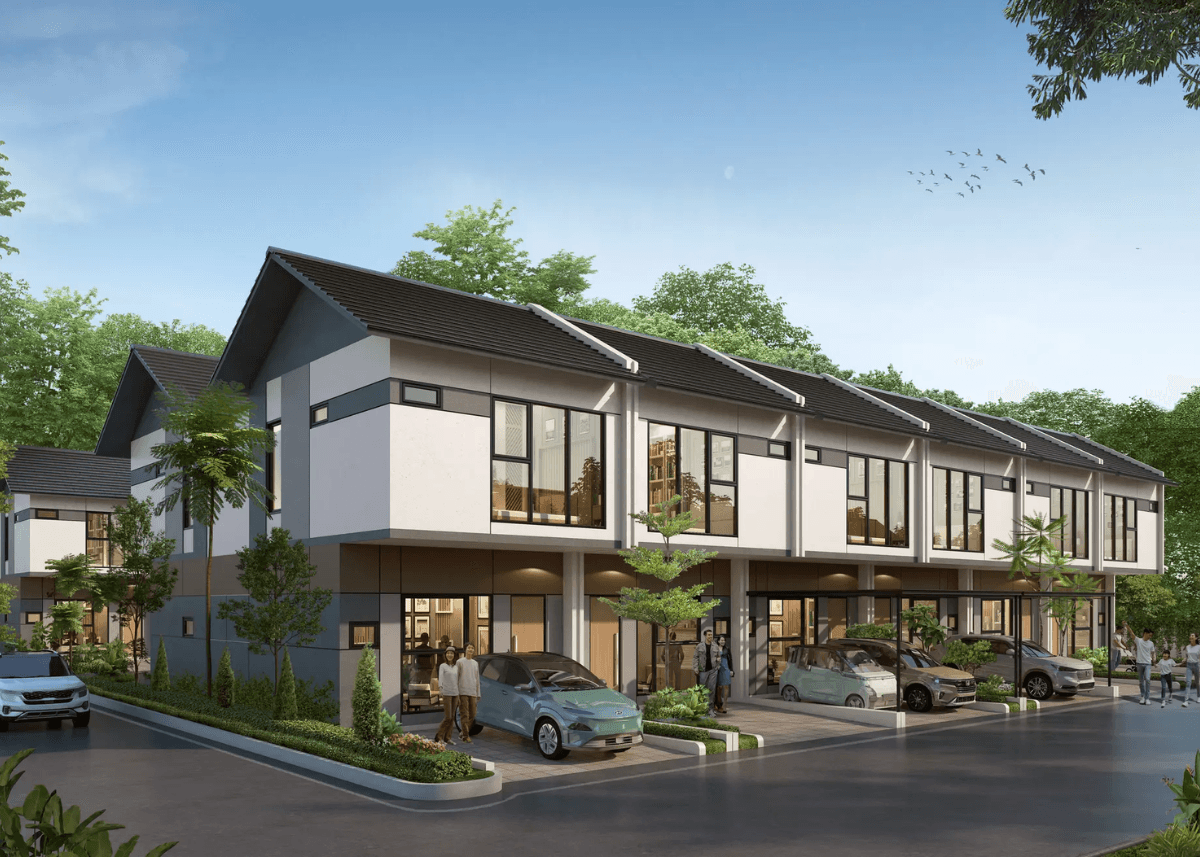
One of the newest highlights is theVastu cluster, designed with a modern minimalist aesthetic. Its proximity to toll gates makes it highly accessible for those who frequently travel in and out of the city

| Monday - Saturday | : | 09:00 - 20:00 WIB |
| Sunday | : | 09:00 - 21:00 WIB |