Enter
To perform a search

The Sale and Purchase Deed (AJB) is often the critical document behind many land disputes in Indonesia.
According to Indonesia's Ministry of Agrarian Affairs and Spatial Planning/National Land Agency (ATR/BPN), there were 6,015 land-related complaints and cases between October 2024 and October 2025, with only 3,019 cases successfully resolved.
One common misconception is that once buyers have paid in full and received the house keys, they officially own the property. Legally, however, ownership has not been transferred until the AJB has been executed.
So, is an AJB legally stronger than simply occupying the property? Here's what you need to know before making your next property transaction.
Legally speaking, the AJB (Sale and Purchase Deed) is an authentic legal document executed before a Land Deed Official (PPAT). It serves as official proof of the transfer of ownership rights over land or buildings from the seller to the buyer.
Article 37 paragraph (1) of Government Regulation No. 24 of 1997 stipulates that every transfer of land rights and strata-title ownership must be evidenced by a PPAT deed—not merely through verbal agreements or proof of payment. This is further supported by National Land Agency Regulation (Perkaban) No. 8 of 2012, which governs the technical preparation of the deed.
The signing process also follows strict legal procedures. It must involve:
The seller
The buyer
The PPAT
Two witnesses
In addition, the AJB can only be signed after all applicable taxes have been settled, including:
Income Tax (PPh) paid by the seller
Land and Building Acquisition Duty (BPHTB) paid by the buyer
This confirms that the AJB is a mandatory requirement before the property's certificate can be transferred into the buyer's name.
It is important to understand that an AJB is not the ownership certificate itself. Rather, it functions as the legal bridge that officially transfers ownership and forms the basis for registering the certificate transfer with the National Land Agency (BPN).
Who prepares the AJB? It is drafted by a PPAT, not by a notary or the BPN.
However, the AJB is only one part of the overall property transaction process, alongside the PPJB (Sale and Purchase Binding Agreement) and the SHM (Freehold Title Certificate). These documents follow a logical sequence.
The PPJB comes first. It is prepared by a notary as a preliminary agreement before full payment is completed. Governed by Government Regulation No. 12 of 2021, the PPJB is legally binding but does not transfer ownership rights.
Once payment has been fully settled, the transaction proceeds to the AJB, signed before a PPAT. This marks the point at which the property sale becomes legally valid, giving the AJB significantly greater legal standing than the PPJB.
Even then, the AJB is not the final stage. It only serves as evidence of the ownership transfer process—not the final proof of ownership.
The SHM (Freehold Title Certificate) is issued by the BPN only after the AJB has been registered for title transfer. The SHM represents the strongest legal proof of ownership and completes the entire transaction process.
The most obvious risk is that, without an AJB, the property's legal ownership remains under the seller's name, even if you have paid in full and have been living in the house.
But the consequences go far beyond ownership status.
Without the AJB:
You cannot transfer the certificate into your name.
You cannot use the property as collateral for a mortgage.
You cannot legally sell the property under your own name.
From a legal standpoint, the original seller still remains the registered owner. This opens the possibility of double selling the same property to another buyer.
Cases like this frequently occur when buyers mistakenly believe that the PPJB alone provides sufficient protection. In reality, ownership only legally changes hands after the AJB has been signed.
If the same property is later sold to a third party, the first buyer may lose the stronger legal position needed to defend their ownership rights.
The real question isn't whether this could happen—but whether your documents are strong enough if it does.
Before making any payment, make sure you verify these five important documents:
Property certificate (HGB or SHM) — determines the type of ownership rights and their legal implications.
Certificate ownership details — ensure the name on the certificate matches the seller or developer.
Building Approval (PBG/IMB) — confirms the building was legally constructed.
Latest Land and Building Tax (PBB) payment receipt — prevents unpaid tax liabilities from being transferred to you.
Previous AJBs (for resale properties) — ensures there are no missing ownership transfer records.
This checklist applies to every property purchase, although the level of risk varies.
For resale homes, tracing ownership history can be challenging. Buyers need to verify:
Previous owners
Whether all AJBs were properly executed
Whether any inheritance disputes remain unresolved
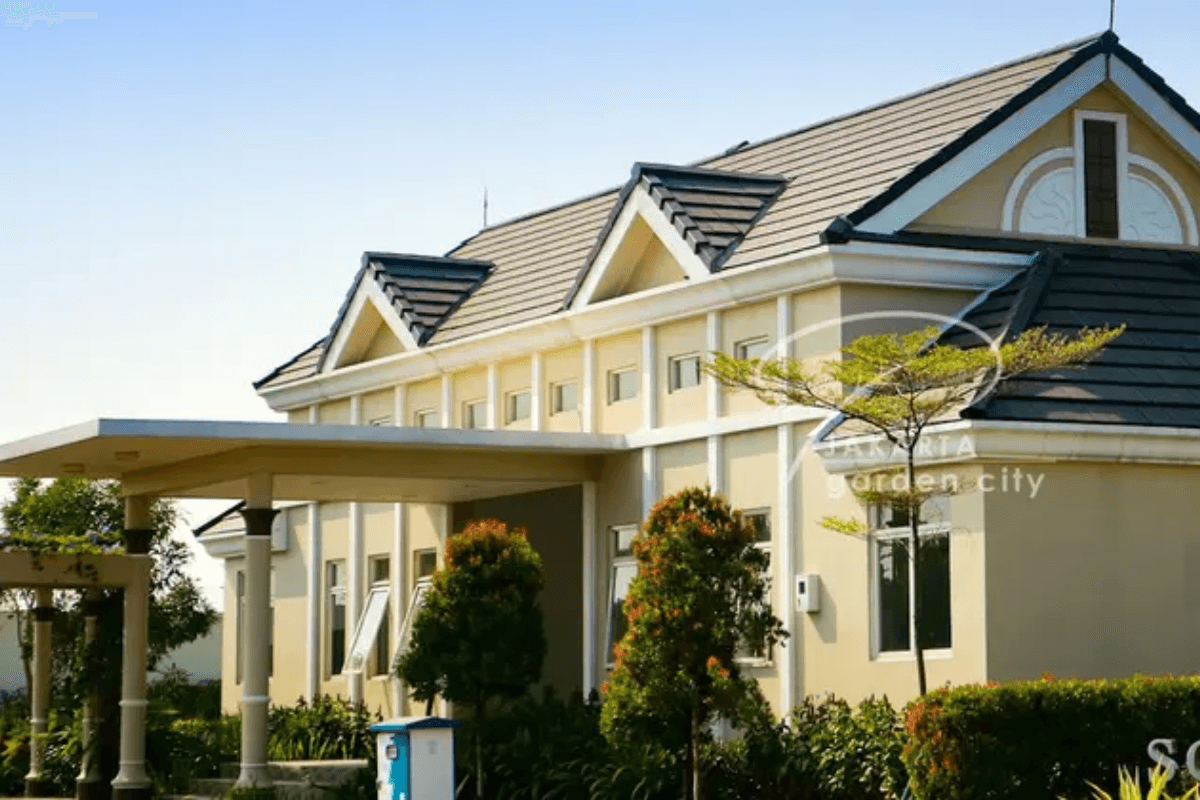
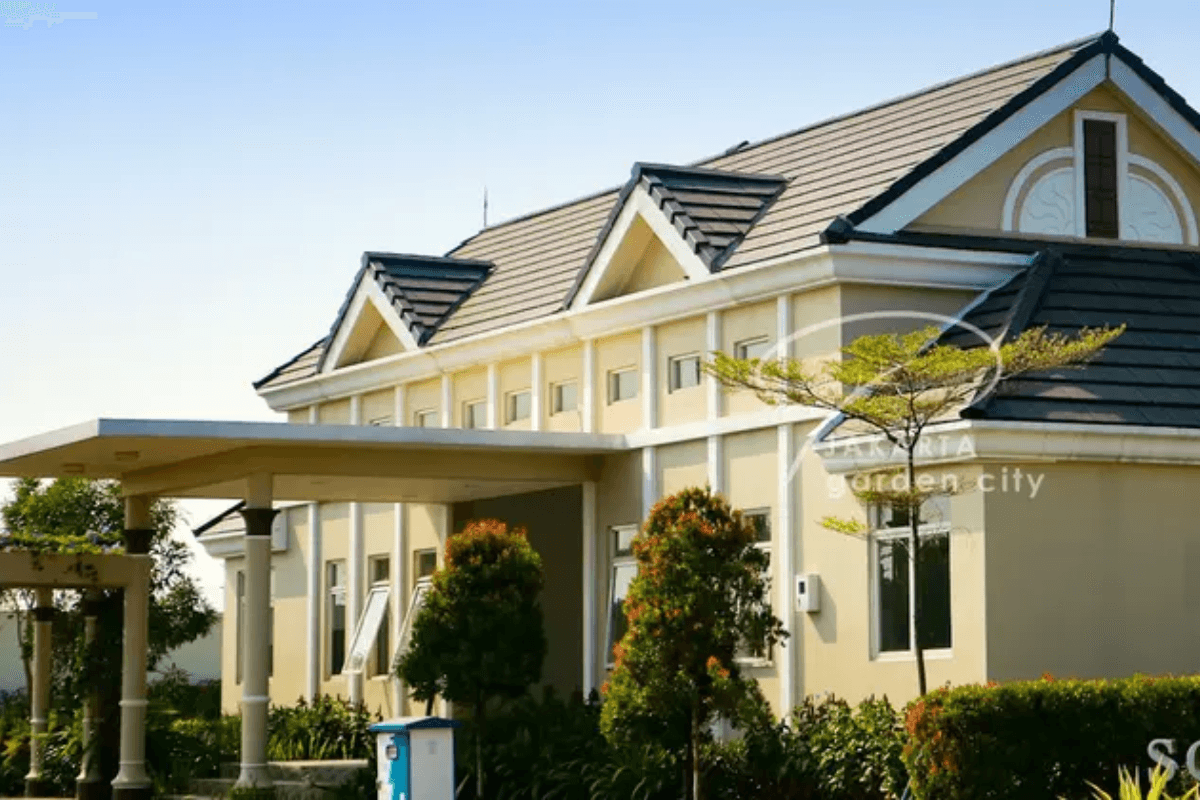
In contrast, purchasing a new unit in a master-planned development like Jakarta Garden City offers greater legal certainty. The developer's legal documentation and site plan have already been verified during the development process, allowing the legal team to facilitate both the AJB and certificate transfer more efficiently.
From understanding the AJB's legal function to reviewing the necessary checklist, one thing becomes clear:
The AJB is the document that separates feeling like you own a home from legally owning it.
Ensuring that all legal documentation is complete from the beginning helps protect you from future disputes and financial losses. Ultimately, the AJB guarantees that the money you've invested results in actual legal ownership—not merely a promise on paper.
If you're considering purchasing a home in Jakarta Garden City, take advantage of the development's clear legal framework. Schedule a free consultation with the JGC team to verify the legal documentation of your preferred unit before completing your transaction.

| Monday - Saturday | : | 09:00 - 20:00 WIB |
| Sunday | : | 09:00 - 21:00 WIB |