Enter
To perform a search
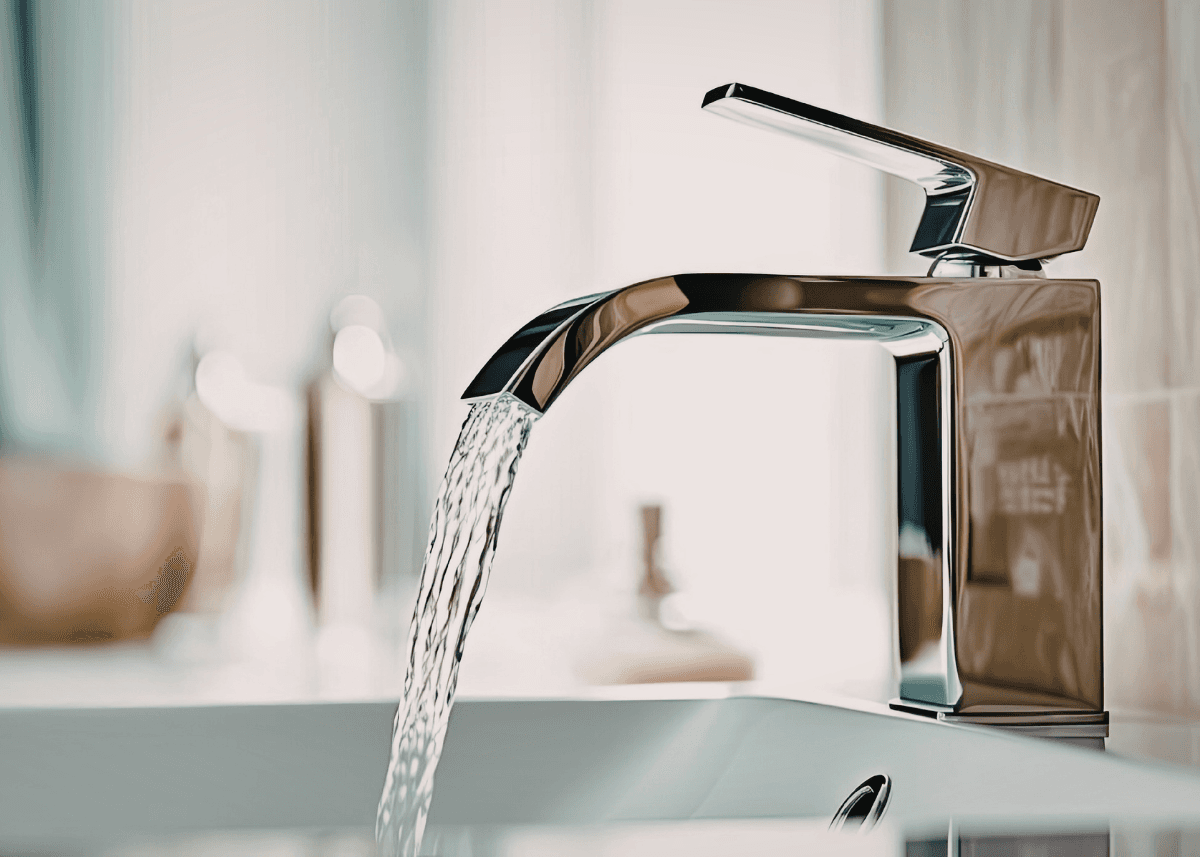
Room layout can greatly influence not only the aesthetics of a home, but also the comfort and health of its occupants—especially in two vital areas: the kitchen and the bathroom. In this article, you’ll find a practical guide to positioning these spaces based on expert recommendations.
Read through to the end to ensure you don’t make mistakes when deciding the layout of these two essential rooms when buying a home.
The kitchen and bathroom are the most technically complex areas in a house, as they serve as the center of plumbing and drainage systems.
By carefully planning their placement, you can control humidity levels and maintain good indoor air quality. Poor ventilation in these areas can trap moisture, leading to the growth of Stachybotrys chartarum (black mold), which is harmful to respiratory health.
Additionally, positioning these rooms along exterior walls allows natural sunlight to act as a natural disinfectant. The sun’s ultraviolet spectrum is effective at killing harmful microorganisms, reducing the need for chemical cleaning agents.
Ultimately, the main goal of proper placement is to prevent contaminated air from flowing back into bedrooms and to ensure it is expelled directly ???? the building.
To avoid mistakes, consider the following before finalizing your layout:
1. Divide Activity Zones
In the kitchen, apply the Kitchen Work Triangle concept. This involves arranging the sink, stove, and refrigerator in a triangular layout with a total perimeter of 4–8 meters, minimizing unnecessary movement during cooking.
Separating storage, preparation, and serving areas also allows multiple people to work efficiently without bumping into each other.
2. Separate Wet and Dry Areas
For bathrooms, separating wet zones (shower area) from dry zones (sink and toilet) is essential for hygiene.
Place the shower in the innermost corner with a floor slope of about 2 cm per meter toward the drain to prevent water pooling. This helps avoid standing water, which is a breeding ground for bacteria.
Glass partitions are also useful to contain steam and prevent moisture from damaging wooden cabinets in dry areas.
3. Optimize Ventilation Systems
Fresh air needs clear entry and exit paths. Install exhaust fans directly above sources of steam, such as stoves or showers.
For bathrooms, the fan capacity should match the room size to effectively remove moisture before it condenses. In kitchens, ventilation ducts should be as straight as possible to prevent grease buildup.
4. Maintain Adequate Clearance for Movement
Comfort depends on sufficient space. International standards recommend a minimum aisle width of 1 meter for one person, or 1.2 meters for two people cooking simultaneously.
In bathrooms, allow at least 76 cm of clearance in front of sinks and toilets to ensure ease of movement. Even small differences in space can significantly impact comfort.
Instead, use task lighting—such as under-cabinet lights in the kitchen—to illuminate preparation areas. This reduces eye strain and lowers the risk of accidents.
In bathrooms, position lights on both sides of the mirror at eye level to ensure even facial lighting for grooming.
Knowing the right approach isn’t enough if you still make these common mistakes:
1. Poor Exhaust Fan Placement
Installing exhaust fans too close to doors is ineffective, as they may simply pull in fresh air from the entrance and expel it without circulating the room’s humid air.
2. Incorrect Drainage Slope
Placing the kitchen or bathroom too far from the main drainage system can make it difficult to maintain proper pipe slope, leading to slow drainage, clogs, and unpleasant odors.
3. Isolated Kitchen Placement
A kitchen located in the middle of the house without access to exterior walls results in poor ventilation and reduced natural lighting, increasing energy use and noise from long duct systems.
4. Ignoring Splash Zones
Placing water-sensitive materials or electrical outlets too close to wet areas can cause damage and pose safety risks, especially in compact layouts.
5. Door Opening Conflicts
Incorrect door swing directions can disrupt movement. For example, ensure that open refrigerator or dishwasher doors do not block key pathways in the kitchen.
While these technical details may seem complex, you don’t have to manage them alone. Developments like Jakarta Garden City implement strict Urban Design Guidelines to ensure optimal airflow and spatial quality in every unit.
This means every corner of your home is designed for long-term comfort and health.
Curious how a well-planned home can enhance your family’s quality of life? Visit the marketing gallery and explore various units designed with ideal kitchen and bathroom layouts!

| Monday - Saturday | : | 09:00 - 20:00 WIB |
| Sunday | : | 09:00 - 21:00 WIB |